
A residential garage, a busy commercial shop, and an aircraft hangar all share concrete floors - but treating them as identical substrates is a fast track to wasted capital and catastrophic failure. Each environment faces distinct mechanical and chemical stressors: hot tires and road salt in a garage, dropped tools and aggressive solvents in a shop, and corrosive aviation fluids like Skydrol in an aircraft hangar.
At XPS, we believe that investing in the wrong solution for high-stakes projects means that you're essentially gambling with the longevity of the project. Investing in a high-quality epoxy floor resin isn't just about aesthetics or price; it's almost entirely about performance, safety, and operational continuity.
How to Install Epoxy Resin in Garage Floors, Shops, Hangars & More
1. Residential Garage Floors: Style Meets Everyday Abuse
For most homeowners, the garage is a multi-purpose zone. It is a parking spot, a workshop, and often an extension of the home's living space. When evaluating coatings for garage floors, you must account for the primary enemies: hot-tire pickup, road salt, and oil stains.
When it comes to which flooring style to install, the answer is clear: vinyl-flake epoxy garage flooring. Vinyl flake chips enhance the basic resistance of epoxy flooring, especially in the key metrics most relevant to garage flooring. It's also a highly customizable solution. Many starting contractors rely on vinyl flake chip resin flooring as a steady stream of consistent income.
Our XPS Recommended Solutions: The Basics Done Right
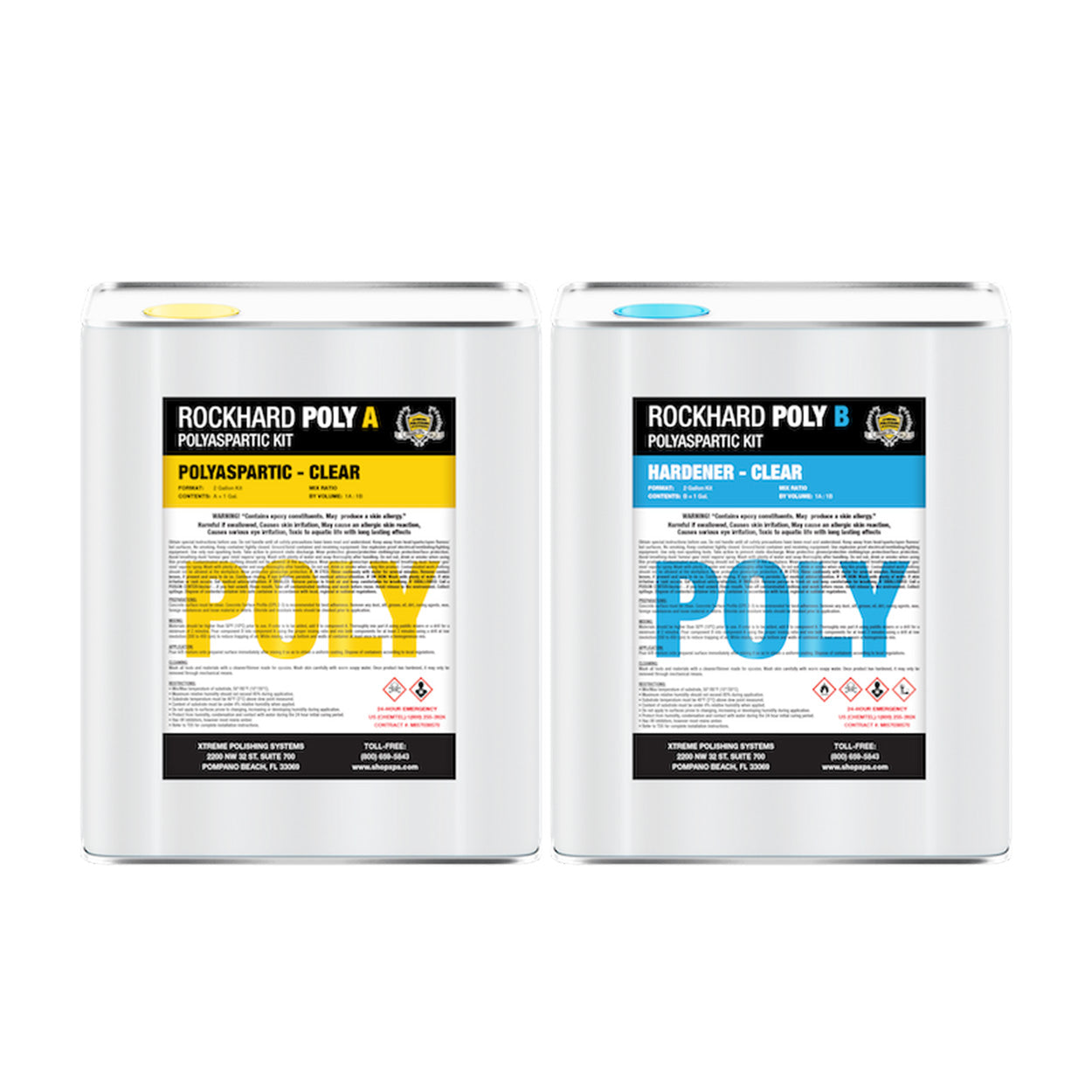
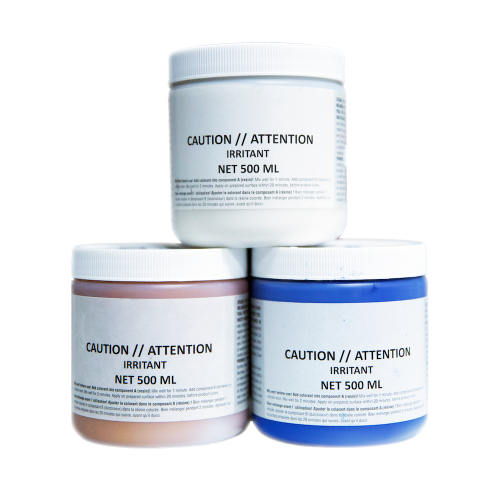
The ideal solution is a high-solids polyaspartic or epoxy system. For a reliable base coat, the XPS Maple Syrup Epoxy Kit is a deceptively simple 100% solids system that delivers exceptional clarity and long-term durability.
- Use it as a pigmented base coat for a flake floor in a standard two-car garage to create a solid foundation.
- It is non-toxic, VOC-compliant, and creates a dense, non-porous surface that effectively resists bacteria and moisture, helping keep your floor clean.
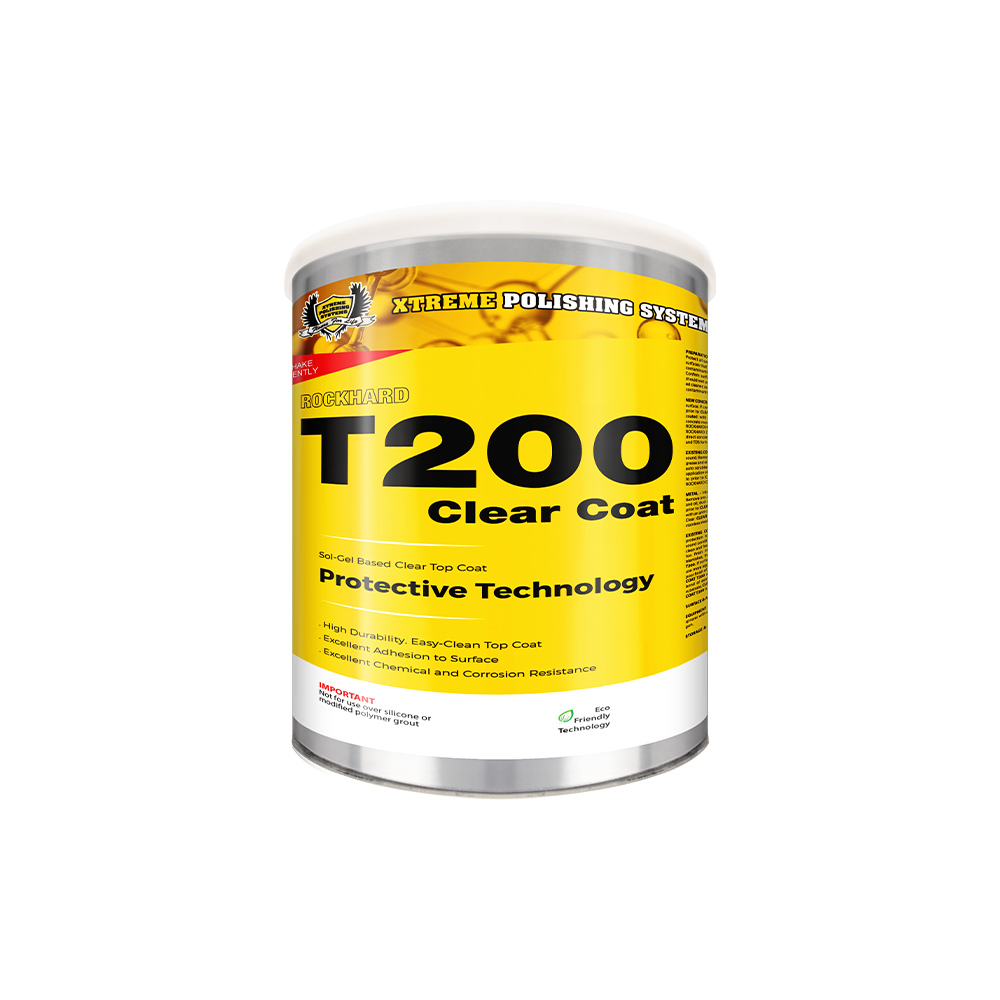
To complete the system, a UV-stable topcoat, such as XPS Polytop 100, provides outstanding abrasion and chemical resistance. This topcoat locks in your decorative flakes and acts as a shield against hot tires and chemical spills.
- Apply it over your flake broadcast to provide a brilliant, gloss finish that protects against tire marks.
- It offers flexible cure speeds and an extended pot life of 35–45 minutes, providing a comfortable working window for contractors and homeowners alike.
2. Commercial & Industrial Shops: Heavy Impact & Chemical Chaos
Commercial automotive and manufacturing shops are brutal environments for concrete. Floors here endure constant forklift and floor-jack traffic, heavy dropped tools, welding sparks, and aggressive chemicals like brake fluid and solvents. In these spaces, aesthetics are secondary to brute strength, impact resistance, and slip resistance.
A standard thin coating will chip and shatter the first time a heavy wrench falls. Instead, you need a thick-build slurry or mortar epoxy. This creates an "armor" layer that is 1/16 to 1/4 inch thick, effectively absorbing shock and distributing weight. For the simplest solution, a well-installed, polished concrete grind-and-seal floor will protect any shop floor for years to come.
Our XPS Recommended Solutions: Advanced Coatings Made Simple
For these demanding environments, the XPS Super Fast Cure Epoxy is a solvent-free, 100% solids system specifically engineered for tight schedules where minimizing downtime is critical.
- Use it as a high-build base coat in an automotive shop where a quick return to service is necessary to keep operations running.
- It offers excellent abrasion and impact resistance, strong chemical protection against aggressive oils and cleaners, and serves as a versatile primer or standalone finish.
- For ultimate slip protection, broadcasting aluminum oxide or quartz into the wet floor system is non-negotiable. It ensures that even when the floor is slick with motor oil, workers maintain vital traction.
3. Hangar Floor Resin Coatings: Elite Resistance & High Visibility
Aircraft hangars demand a highly specialized set of requirements. They must withstand massive weight loads and require maximum light reflectivity to ensure technicians can easily spot leaks, fasteners, or other hazards under the aircraft. Most importantly, they must resist Skydrol - a hydraulic fluid so corrosive it can liquefy standard epoxies. If your topcoat isn't explicitly rated for exposure to aviation chemicals, your floor will fail rapidly.
The baseline reality is simple: standard residential systems will not hold up here. You require a high-solids epoxy primer followed by a chemically resistant aliphatic polyurethane or novolac epoxy topcoat. These advanced systems provide unparalleled resistance.
Our XPS Recommended Solutions: Top of the Line Products for Best Results
For reliable hangar floor coatings, XPS POLYUREA is a premier choice for the topcoat layer.
- Use it as a high-gloss, UV-stable clear coat over a pigmented epoxy base in an aircraft hangar to maximize brightness.
- It is CFIA-compliant, suitable for regulated environments, and its low-odor, 100% solids formula meets strict indoor air quality requirements.
For the foundational layer, the RockHard USA Epoxy Kit again stands out as a reliable choice.
- Apply it as a pigmented base coat in a high-visibility light gray or white to maximize ambient light reflectivity. It is resistant to harsh chemicals and creates a dense, easy-to-clean surface, which is critical for maintenance-heavy environments.

Installation: Preparing for Any Environment
Regardless of the system you choose, 90% of coating failures are caused by poor surface preparation. Concrete must be mechanically profiled - usually through diamond grinding or shot-blasting - to ensure the resin can physically bond to the open pores.
While acid etching appears in some guides, modern professionals now prefer diamond grinding due to inconsistent results and safety risks associated with acid etching.
Step 1 – Assess the Substrate and Choose Your System
Walk the site with a moisture meter and a MOH hardness kit to assess the concrete's density and hydration level. For residential garages, a full-flake polyaspartic system is ideal. For shops and hangars, prioritize chemical resistance and impact strength over pure aesthetic design.
Step 2 – Diamond Grind to the Right Profile
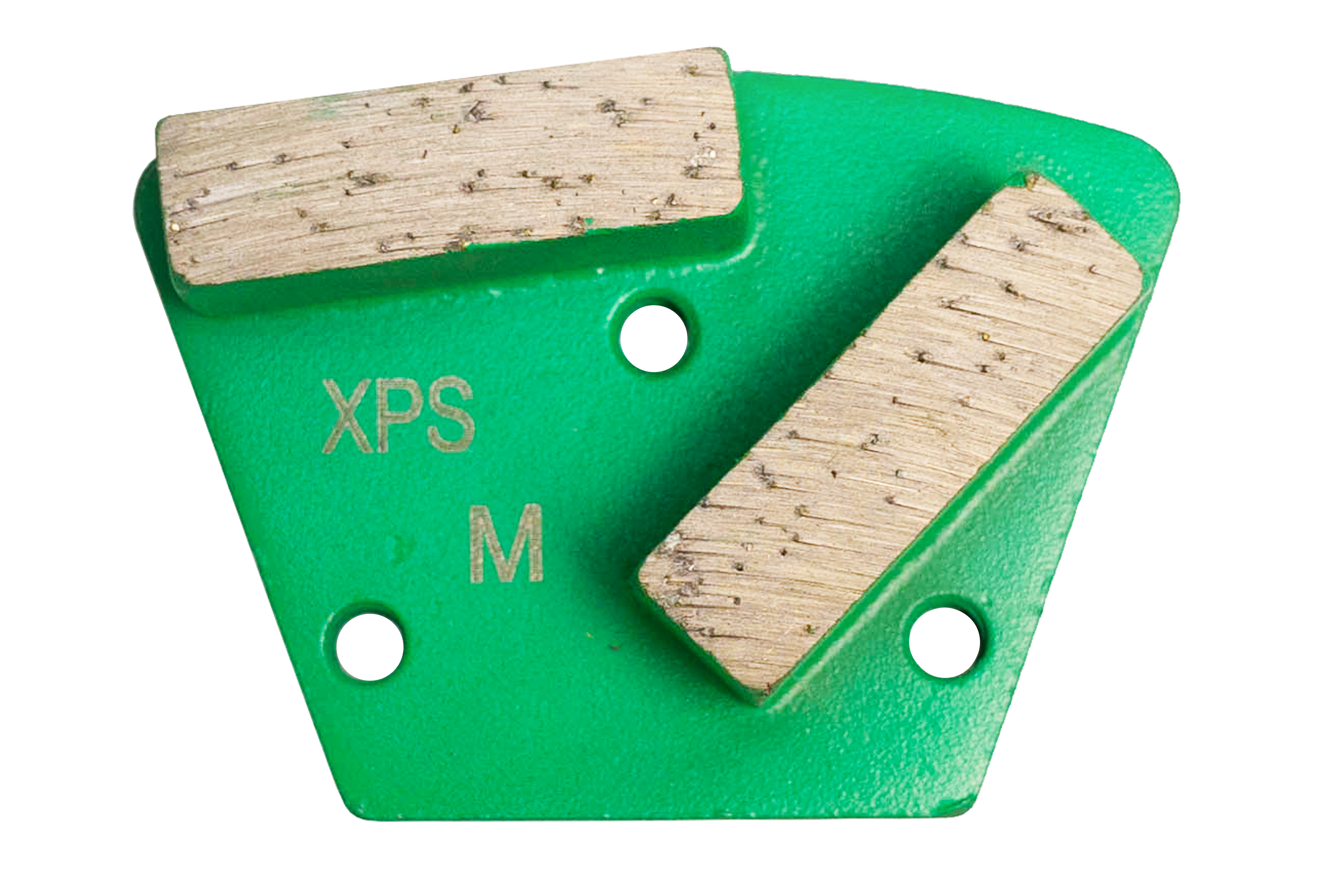
You must achieve a CSP (Concrete Surface Profile) that matches your coating's thickness requirements. Use a planetary grinder like the Concrete Genie (found in the Surface Prep Starter Package) for residential and light commercial jobs, or the Mammoth 800 (from the Surface Prep & Polishing Package) for large hangar and industrial spaces.
The Concrete Genie is a robust polisher designed for maximum efficiency and durability, and the Mammoth offers all-gear rotation and powerful motors required for large-scale, high-intensity projects.
Step 3 – Apply the Base Coat and Aggregate
Mix your chosen epoxy (such as RockHard USA or XPS Super Fast Cure) and apply using a high-quality squeegee and roller. If you are creating a decorative or slip-resistant floor, broadcast flakes, quartz, or aluminum oxide immediately while the base coat is still wet to ensure proper encapsulation.
Step 4 – Seal with a High-Performance Topcoat
After the base coat has cured, apply your clear topcoat. For hangars, this provides the UV stability and the specific chemical resistance needed to withstand Skydrol. For garages, it locks in your decorative flakes and provides that deep, brilliant gloss that distinguishes a professional-grade installation.
Frequently Asked Questions
1. Can I use the same epoxy system for my garage and my shop?
It depends on the specific operational demands. A full-flake polyaspartic system works well for garages and light-duty commercial shops. However, for heavy industrial use with forklifts and harsh chemicals, you will need a thick-build slurry or mortar system for impact protection.
2. What makes hangar floor coatings different from garage floor coatings?
Hangar floor coatings must resist Skydrol and provide maximum light reflectivity. Standard epoxies will degrade rapidly under exposure to Skydrol. You must use a chemical-resistant aliphatic polyurethane or novolac epoxy topcoat to ensure the floor integrity remains intact.
3. How long does a polyaspartic garage floor take to cure?
Polyaspartic systems are prized for their speed. They can typically be walked on in 4–6 hours and often allow for light vehicle traffic within 24 hours, making them ideal for homeowners who need a quick turnaround.
4. Do I need to grind my concrete before applying epoxy?
Yes. Diamond grinding creates the necessary mechanical profile for the resin to bond. Skipping this step is the #1 cause of floor resin epoxy failure. While acid etching appears in some guides, modern professionals now prefer diamond grinding due to inconsistent results and safety risks associated with acid etching.
5. What is the best way to add slip resistance to a shop floor?
Broadcast aluminum oxide or quartz into the wet base coat, then seal with a clear topcoat. This creates a textured, slip-resistant surface that remains durable and easy to clean, even in high-traffic commercial zones.
Conclusion
Choosing the right system for your garage, shop, or hangar comes down to understanding the specific stressors each environment faces. No matter what your project needs, there is a resinous coating system specifically designed to perform best for it. Don't just gamble on any old solution and pray for results; invest smarter and know you're installing what best fits your clients.
Xtreme Polishing Systems (XPS) is the premier hub for top of the line resources in resinous coatings and concrete flooring. For more specific guidance on projects, resources, and more, reach out to our technicians at (877) 958-5264.