
Choosing between flooring systems is one of the many forks in a contractor's road to success. From transforming a residential garage to upgrading a commercial warehouse, the coating you select will determine whether your floor lasts for twenty years or peels within six months. Water-based vs. solvent-based epoxy resinous coatings is a decision that can change the outcome of a project. So, which one is best for you? Let XPS help you answer.
Don't waste money on temporary fixes! Understanding the chemical differences between a water-based floor epoxy, solvent-based systems, and industrial 100% solids coatings is the best way to safeguard your investment.
Water-Based vs. Solvent-Based Epoxy: Which Resinous Coating is Best?
1. Water-Based Floor Epoxy: The User-Friendly Sealer
A water-based floor epoxy uses water as the primary carrier to suspend resin particles. As you apply the coating, the water evaporates into the air, leaving behind a protective film. Because you lose nearly half the volume during evaporation, a wet coat applied at 10 mils will cure to a fraction of that thickness.
- Low VOCs & Minimal Odor: You can safely apply it in attached garages or basements without evacuating the house or relying on heavy-duty respirators. It is the most accessible, DIY-friendly option currently on the market.
- Breathability: Because it allows moisture vapor to pass through the cured film, it is less prone to blistering than solvent-based alternatives. If your concrete slab is prone to ground moisture, this is a distinct advantage.
- Easy Cleanup: Tools can be cleaned with simple soap and water, reducing the need for harsh chemicals.
However, the reality of its performance is limited. Its primary weakness is a lack of hardness. Like many solutions, it can be vulnerable to "hot tire pickup," where the heat from your vehicle's tires softens the thin film, causing it to peel away. This vulnerability is massively reduced with proper surface preparation and installation practices.
That said, water-based solutions are often best suited for residential basements, light-duty garages, walls, or as a primer/sealer coat where heavy traffic is not a concern. XPS' WECTGF is a great water-based epoxy resin solution for all your needs.
2. Solvent-Based Epoxy: The Tough Traditionalist
Solvent-based epoxy relies on organic chemical solvents as its carrier. Similar to water-based systems, these solvents evaporate during curing, but the resulting cross-linked chemical structure creates a significantly tougher bond.
- Superior Adhesion: It is highly tolerant of minor petroleum or oil contaminants that may be trapped deep within older concrete. This makes it a frequent, albeit dated, choice for auto shops and industrial spaces.
- Harder, Glossier Finish: It cures to a harder, more chemical-resistant surface that effectively repels oil, gas, and heavy foot traffic.
Despite its performance, the era of solvent-based epoxy is waning. The volatile organic compounds (VOCs) are flammable and hazardous, producing intense fumes that require aggressive ventilation and safety equipment. Many consumer-grade versions have been heavily restricted or phased out due to environmental regulations.
Furthermore, as with water-based options, you still lose a significant portion of your coating thickness to evaporation during curing, meaning you are paying for material that effectively disappears into the atmosphere. XPS' Epic 100 mitigates all your solvent-based resinous solution concerns and provides an incredible finish for your budget.
3. The Industrial Standard: 100% Solids Epoxy
If you demand a floor that can withstand heavy impacts, chemical spills, and the daily grind of automotive traffic for decades, you must look at 100% solids epoxy floor coating systems. These contain no water or solvents to evaporate. A layer applied at 10 mils thick cures to exactly 10 mils thick, providing a dense, impenetrable armor.
100% Solids Epoxy: The XPS Difference
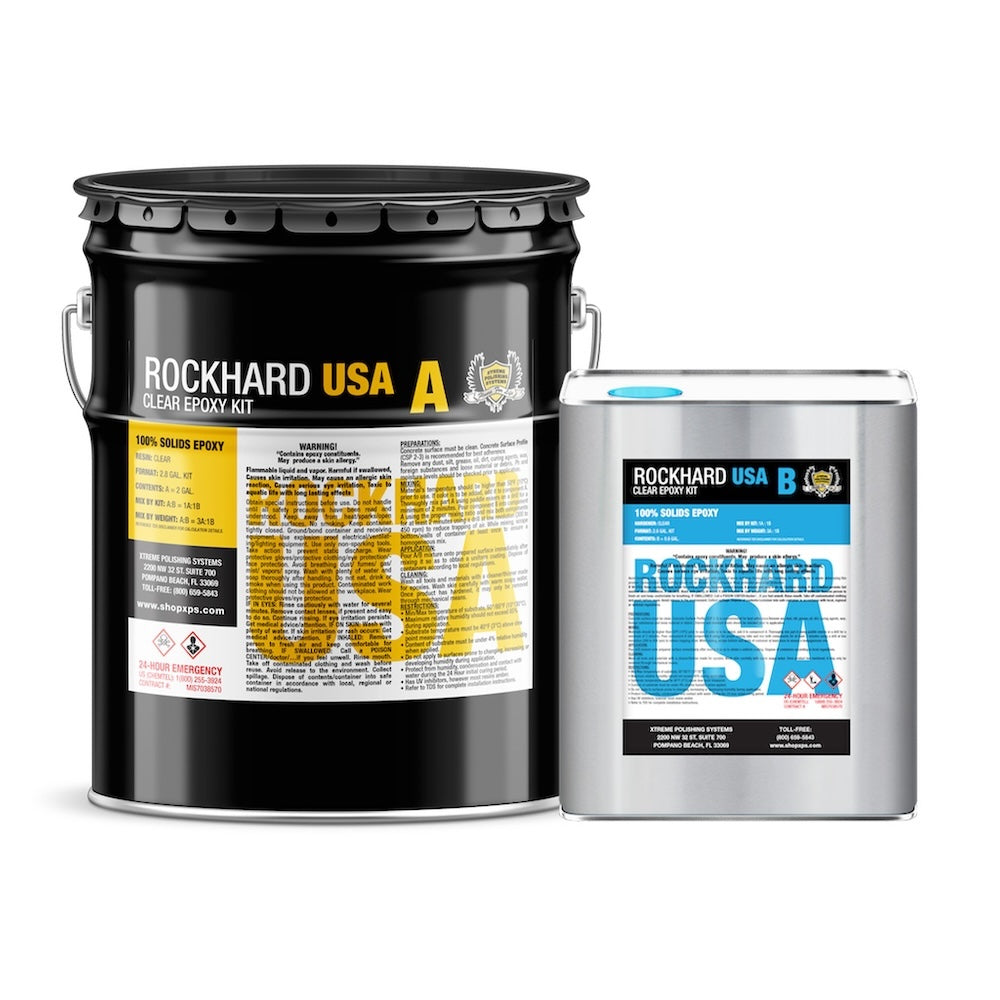
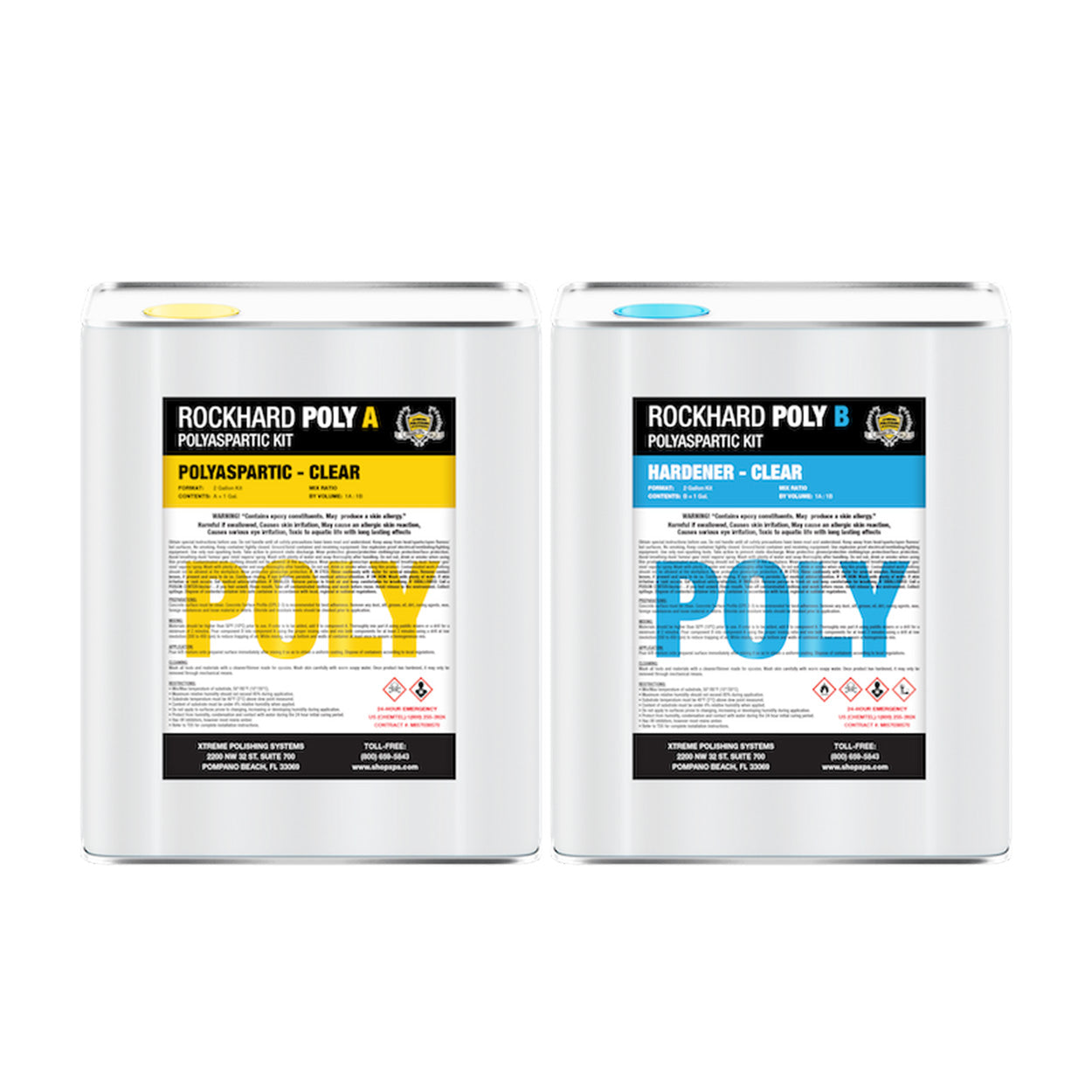
For those seeking high-performance solutions, Xtreme Polishing Systems offers premium 100% solids options. The Rockhard USA Epoxy Kit is a clear, self-leveling system designed specifically for commercial kitchens, warehouses, and busy garages.
- Use it as a pigmented base coat for garage floors.
- It is 100% solids, self-leveling, and VOC-compliant, creating a dense surface that effectively resists bacteria and moisture.
For projects that require a rapid turnaround, the XPS Super Fast Cure Epoxy is a solvent-free, 100% solids system engineered for tight schedules.
- Ideal for cold storage facilities or jobs requiring low-temperature curing.
- It offers excellent abrasion and impact resistance and can be used as a primer, base coat, or standalone finish.
While these systems offer unparalleled performance, the trade-off is a shorter working window (often 30-60 minutes) and a more precise application process. It is an investment that correlates directly with the floor's long-term survival.

Installation: Professional Protocols for Success in Water-Based vs. Solvent-Based Epoxy Solutions
Whether you are using a water-based floor epoxy or a robust 100% solids system, the installation method is the defining factor of success. Don't cut corners here; your flooring system's integrity depends on the bond between the resinous coating and your prepared flooring substrate.
Step 1 – Planning, Preparation and Moisture Control
Every project, no matter how small or how large, thrives under the safety of a good plan. You should know how every step of the process will go before you mix even an ounce of resinous coating.
The best resinous coating installations start with a quality surface to bond to. Every substrate must be fully and thoroughly prepared; every slab of concrete should be tested for moisture. Clean your surfaces thoroughly with some warm water and a mild cleanser, check for excess oil spots, and repair any small cracks.
Failure to verify moisture levels is one of the most common causes of epoxy floor failure. Test your surface, install a moisture vapor barrier if necessary, and proceed to ensure your resin's bond.
Step 2 – Surface Preparation, Concrete Surface Profiles & Grinding
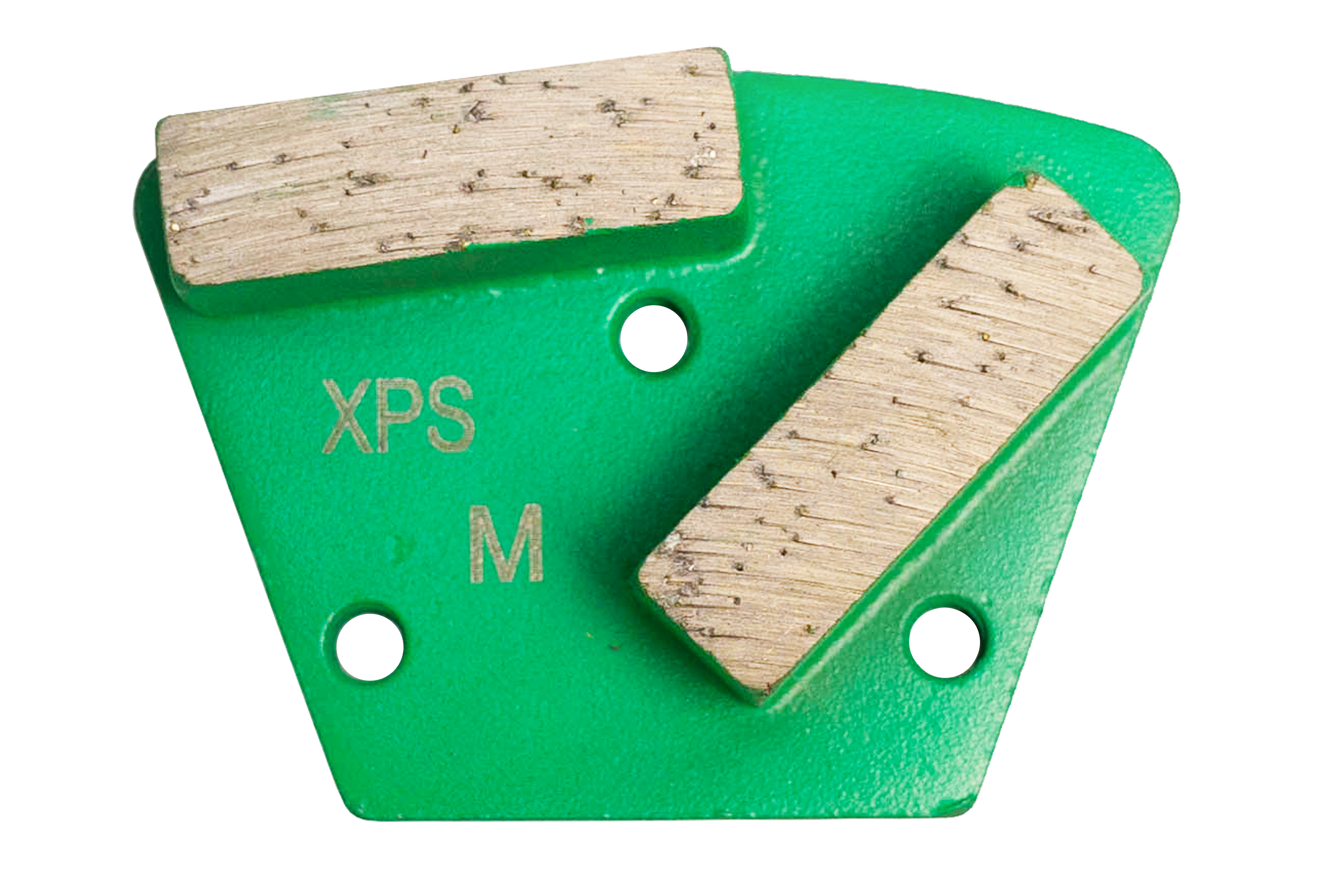
Contractor rule of thumb: 80% of your success is in the prep. You must clean the surface and profile it to a medium-grit finish (CSP 2-3). While acid etching appears in some guides, modern professionals now prefer diamond grinding due to inconsistent results and safety risks associated with acid etching.
- Use the Concrete Genie grinder to achieve the right profile on residential garages.
- XPS' Genie is a robust polisher designed for efficiency and durability, while the Tromb 400L dust extractor keeps job sites clean and safe.
Step 3 – Proper Mixing Practices & Application Times
For 100% solids systems, the working time is brief - often just 30 to 40 minutes. You must mix thoroughly, scraping the sides and bottom of the bucket to ensure a complete chemical reaction.
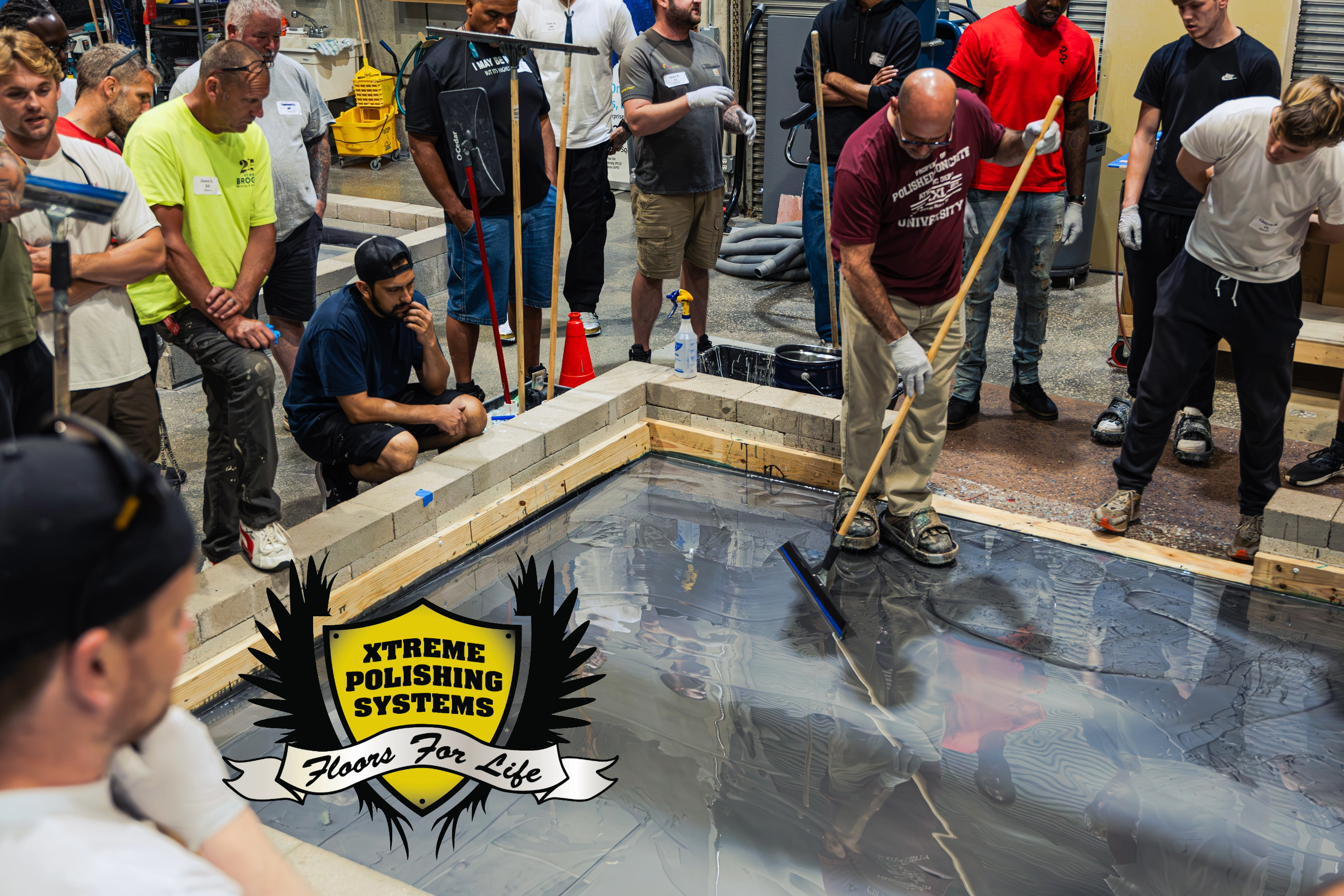
Apply the coating quickly and smoothly with a squeegee and roller, working in deliberate sections to maintain a wet edge.
Step 4 – Installation, Final Topcoat & Cure Time
Never skip the topcoat. The base epoxy adds color and thickness, but it is not built to resist UV rays or abrasion. For a final protective layer, consider XPS POLYUREA.
- Use it in flake or quartz floor systems for superior scratch resistance.
- It is VOC-compliant and low-odor, making it suitable for indoor applications, and its extended pot life (35–45 minutes) gives you a comfortable working window.
Allow the manufacturer's recommended cure time. Rushing this step, especially in a garage, is a guaranteed path to disaster.
Frequently Asked Questions
1. What is the fundamental difference between water-based floor epoxy and 100% solids?
The difference is the carrier. A water-based floor epoxy contains water that evaporates, which results in a thinner, less durable film. A 100% solids epoxy floor coating has no carrier - everything you apply stays on the floor, creating a significantly thicker, more durable armor.
2. Is solvent-based epoxy better than water-based?
For heavy-duty industrial or automotive use, solvent-based systems provide superior adhesion and chemical resistance. However, their high VOCs and intense fumes make them largely unsuitable for residential, poorly ventilated, or indoor environments.
3. Can I apply an epoxy coating over old, stained paint?
No. Epoxy requires bare, clean, porous concrete to bond. If you attempt to apply it over paint, sealers, or oils, the system will delaminate. You must diamond-grind the surface to bare, profiled concrete first. Skipping this is the #1 cause of epoxy floor failure.
4. Which system is easiest for a DIY homeowner?
A water-based floor epoxy is the most forgiving option due to its low odor, longer working time, and easy soap-and-water cleanup. However, for a garage where you intend to park cars, a 100% solids system, such as the Rockhard USA kit, is the superior long-term investment.
5. How do I know if my concrete needs a moisture barrier?
Perform the plastic sheet test: tape a 2x2 ft. square of plastic to the floor for 24 hours. If moisture or condensation forms underneath, you have a hydrostatic pressure issue. In this case, you must apply a dedicated moisture-vapor-barrier epoxy before applying your base coat.
Conclusion
The choice between a water-based floor epoxy, a solvent-based system, or a high-performance 100% solids epoxy floor coating ultimately comes down to your project's demands and your requirements for longevity. Don't settle for "good enough" when a permanent solution is within reach.
Xtreme Polishing Systems (XPS) is the contractor's command center for all things epoxy and concrete flooring. If you need more specific guidance on what flooring solution best fits your projects, call our technicians at (877) 958-5264.