
Choosing the right clear topcoat for your epoxy floor is the most critical decision you'll make for your project's longevity. The polyaspartic vs urethane debate isn't about which coating is "better" in a vacuum - it's about which chemistry is engineered to handle your specific environment. Both deliver professional-grade protection, but they serve very different masters.
Treating a residential garage, a busy commercial shop, and an aircraft hangar as identical substrates is a fast track to wasted capital and catastrophic failure. Xtreme Polishing Systems’ is here to guide you through which solution makes the most sense in your kit.
Polyaspartic vs. Urethane Topcoats: Which Resinous Coating Works for You?
The Chemistry: What Makes Polyaspartic and Urethane Different?
Before we dive into the polyaspartic vs urethane comparison, let's look under the hood. Both are high-performance clear coatings, but their chemistry dictates how they behave under stress. In every educational opportunity, understanding the materials you install is essential; skipping the science is exactly why so many new installers fail within their first year.
Urethane Chemistry 101
Urethane (polyurethane) is a thermosetting polymer that forms a hard, rigid film. It has been the industry standard for decades, prized by professional installers for its exceptional hardness and chemical resistance. It typically cures through a slower, more forgiving reaction that provides installers with critical working time.
For example, XPS Urethane-X is a 100% solids polyurethane that offers flexible cure speeds to match different environmental conditions.
Polyaspartic Chemistry 101
Polyaspartic is a newer, advanced technology derived from aliphatic polyurea. It's a two-component system that cures through a rapid chemical reaction, creating a highly flexible, UV-stable film. The rapid cure time is its superpower - and its biggest challenge for inexperienced installers. In high humidity, polyaspartics can cure even faster, which may require reducing batch sizes to avoid standing over a bucket of unusable resin.
These benefits won't matter much if you don't have the confidence to install a floor in the rapid cure times that polyaspartic offers, though, so match the chemistry to your skill level.

Polyaspartic vs Urethane: Practical Side-by-Side Comparison
Understanding the performance metrics is vital. While urethane offers unmatched hardness for chemical environments, the polyaspartic floor has redefined turnaround times. The fundamental difference often comes down to the "carrier"; 100% solids systems (like professional polyaspartics) have no water or solvent carrier that evaporates, resulting in a thicker, more durable armor.
Why You Should Choose a Polyaspartic Floor
If you are looking for a polyaspartic floor that delivers speed, UV protection, and long-term durability, this is your winner.
- Rapid Curing Times: Perfect for residential garage floors where you need to park cars back inside quickly. A polyaspartic floor allows for a full installation, including flake broadcasting and topcoat, within a single weekend.
- UV Resistance: Ideal for exterior patios or garages with windows. Standard, unmodified epoxy resins have terrible UV resistance and will "amber" (turn yellow) and become brittle when exposed to sunlight. Polyaspartic is 100% UV stable - it won't yellow or chalk.
- Less is More: It provides a brilliant, gloss finish that distinguishes a professional-grade installation from a thin-film DIY kit.
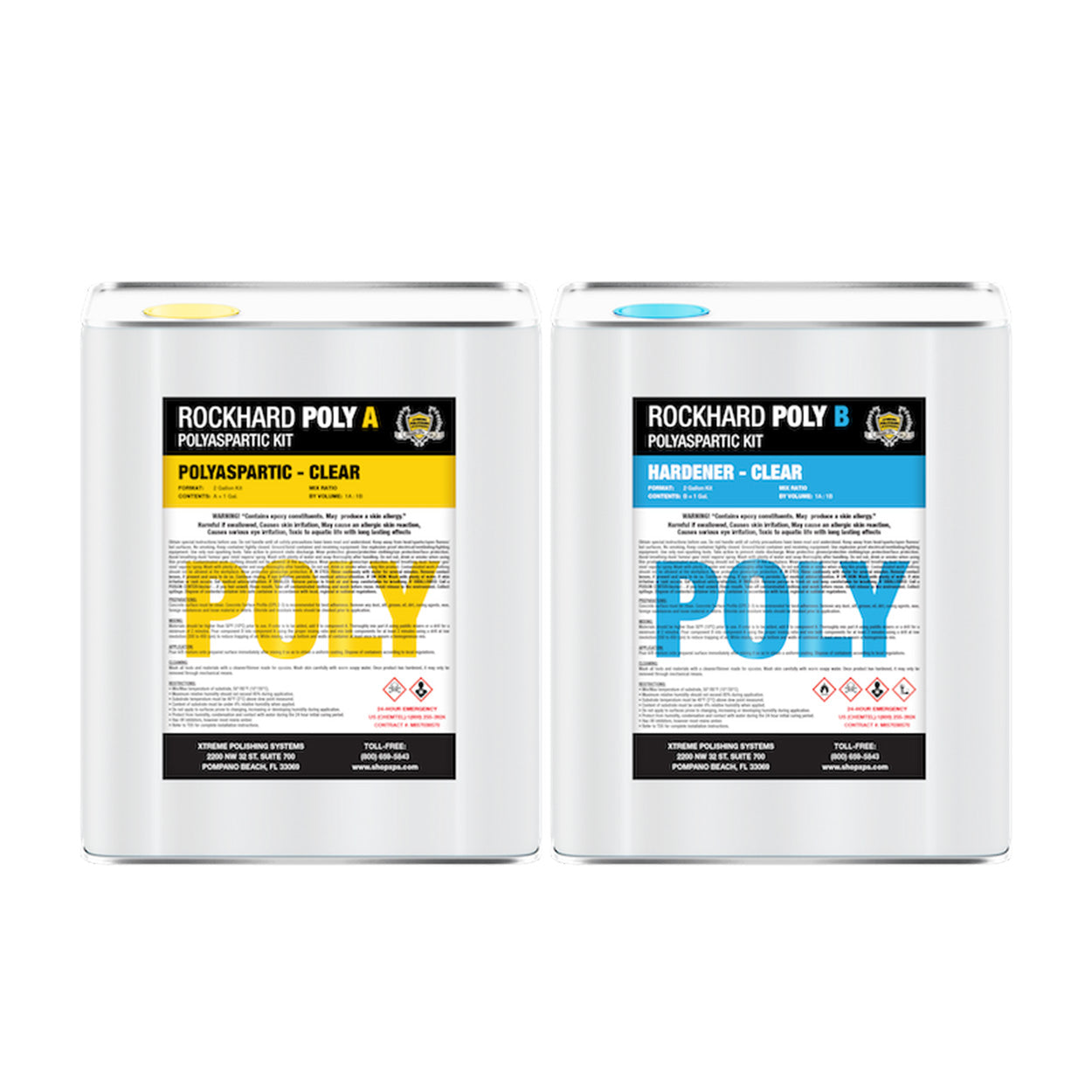
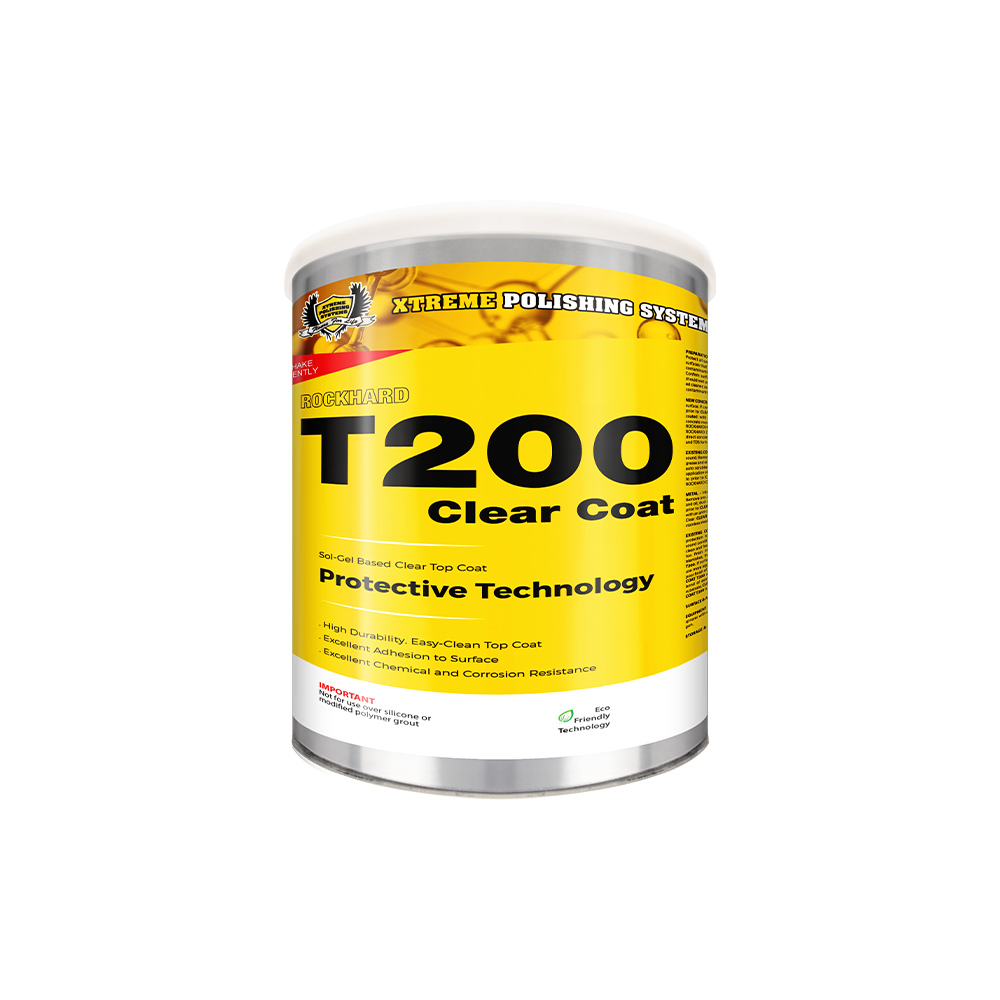
For a premium polyaspartic topcoat, consider Rockhard Poly from Xtreme Polishing Systems. It offers an extended pot life of 80–90 minutes, giving you a comfortable working window with a fast return to service. Use it over flake or quartz floors for superior scratch and UV protection. If you want a more lenient polyaspartic solution, consider XPS Slow Cure.
Why a Urethane Topcoat Might Be Your Best Move
Urethane remains the gold standard for heavy chemical environments and projects that prioritize chemical resistance over instant turnarounds.
- Chemical Resistance & Durability: Provides unmatched protection in aircraft hangars exposed to Skydrol - a hydraulic fluid so corrosive it can liquefy standard coatings. Urethane's rigid film shrugs off chemicals that would degrade other coatings.
- Stands Up To The Test: Ideal for automotive and manufacturing environments that endure heavy dropped tools, constant forklift traffic, and aggressive solvents.
- Budget and Working Time: Urethane often delivers high-grade clear-coat protection at a more moderate material cost than polyaspartic. It also is easier to work with in large projects or for new contractors due to its more forgiving (longer) cure and working time.
For a high-performance urethane option, XPS Urethane-X is a 100% solids polyurethane basecoat that also works as a durable top layer. It is CFIA-compliant and suitable for regulated environments such as aircraft hangars or commercial kitchens, where meeting strict indoor air quality requirements is critical. Its extended pot life of 35–45 minutes provides a comfortable window for application even in varying conditions.
Installation: Professional Protocols for Success
Preparation is the silent partner of success. Regardless of the system you choose, 90% of coating failures are caused by poor surface preparation.
Step 1: Surface Preparation and Mechanical Profiling
Professional epoxy training ensures you master the "90% Rule": success is defined by preparation. While acid etching appears in some guides, modern professionals now prefer diamond grinding due to inconsistent results and safety risks associated with acid etching.
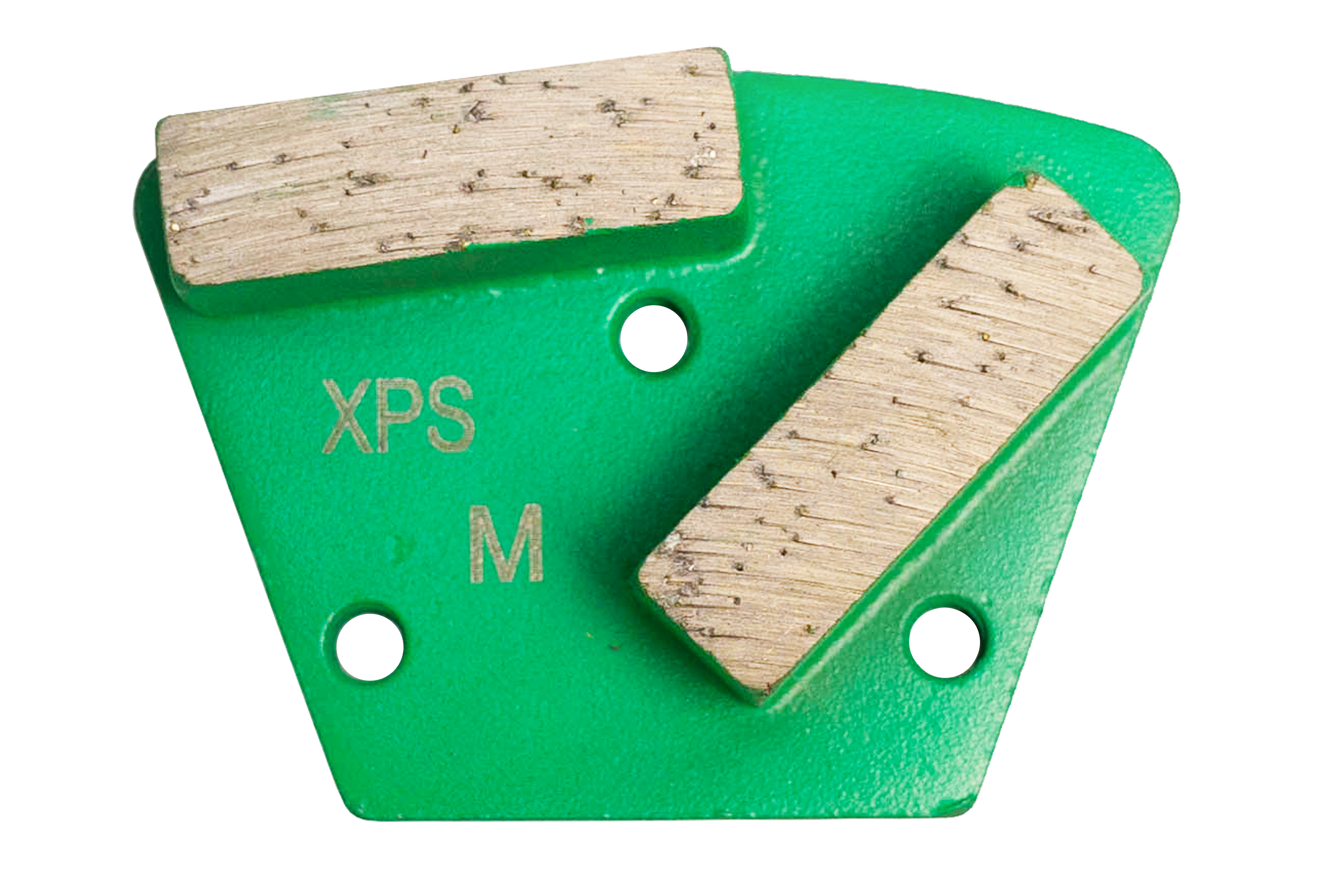
You must achieve a Concrete Surface Profile (CSP) of 2-3 to ensure a mechanical bond. Use a planetary grinder like the Concrete Genie to open concrete pores until the slab feels like 60-grit sandpaper, then vacuum with a HEPA extractor like the Tromb 400L to remove all dust.
Step 2: Substrate Evaluation and Moisture Control
Never guess a floor's condition. Perform a calcium chloride or RH probe test (ASTM F2170) to assess moisture levels. If results exceed 3 lbs MVER or 75% RH, you must apply a specialized moisture vapor barrier (MVB) epoxy primer to prevent blistering and total bond failure.
Step 3: Mixing and Base Coat Foundation
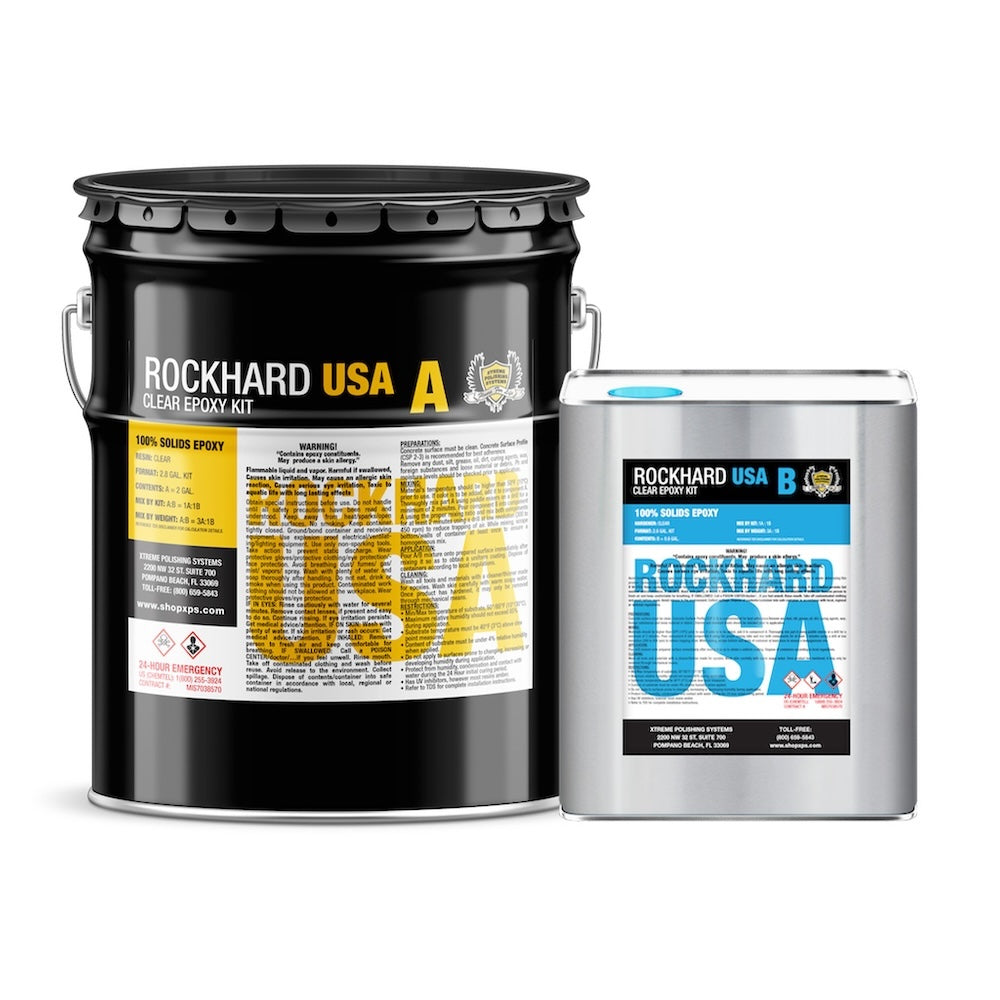
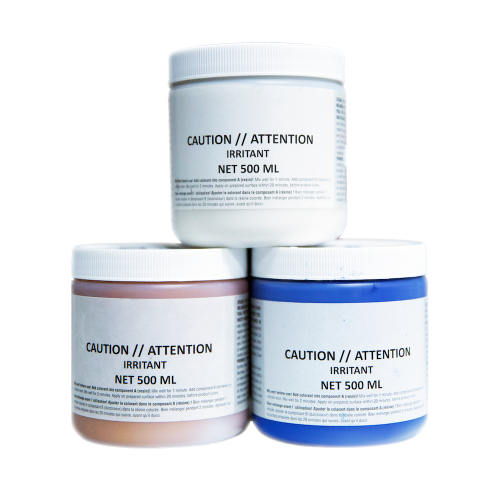
For a successful system, you need a solid base. The Rockhard USA Epoxy Kit is an excellent 100% solids, industry-standard base coat that delivers exceptional bond strength. Mix at a low RPM (300-450 RPM) using a spiral mixing paddle to avoid aeration.
For the best results, use the "Two-Cup Method": mix in one container, then transfer to a second clean container and mix again to eliminate unmixed material that can cause soft spots.
Step 4: Precise Topcoat Application
When applying your topcoat, respect the cure times. For polyaspartic, work in deliberate sections and maintain a wet edge to avoid lap marks. If you are creating a decorative floor, you must broadcast your flakes or traction additives before your resin cures and before the topcoat is installed.
The benefit of vinyl flake chips is both form and function - they add strength, shock resistance, and traction to any floor. They're especially popular as a garage flooring option, and many contractors starting out rely on these systems to build a profitable baseline for their future businesses.
FAQs
What's the main difference between polyaspartic and urethane topcoats?
Cure time and UV stability are the primary distinctions. Polyaspartic offers a rapid return to service (2-4 hours to walk) and is 100% UV-stable. In contrast, traditional urethane takes longer to cure and can yellow over time if not specifically formulated for UV resistance.
What is the best polyaspartic for a vinyl flake epoxy floor?
For most residential garages, polyaspartic is the superior choice because it resists "hot-tire pickup" - a phenomenon where heat from tires bonds with cheap coatings, causing them to delaminate. We recommend RockHard Poly for most garage flooring installations because of its versatility and strength.
Can I apply polyaspartic over an old epoxy floor?
Yes, but the old epoxy must be sound and lightly abraded to CSP 2-3 to ensure a mechanical bond. If the existing coating is peeling or brittle, it must be removed via diamond grinding.
Is polyaspartic worth the extra cost?
For residential garages, commercial showrooms, and outdoor applications - yes. The fast cure time, UV stability, and long-term durability justify the premium. In environments exposed to aggressive chemicals like Skydrol, urethane's specific resistance may be more critical.
What happens if I skip the topcoat?
Skipping the topcoat to save money dooms the floor to a short lifespan. The base epoxy layer is relatively soft and vulnerable to UV radiation, hot tires, and abrasions, which can easily scratch or tear it off the floor.
Conclusion
The polyaspartic vs urethane decision comes down to your project's priorities: speed and UV stability versus specialized chemical resistance and budget. Which makes the most sense depends entirely on your needs, your projects and your business. You may even opt for a mixed-resin system, with epoxy acting as a strong base coat and polyaspartic as a topcoat shielding the floor from UV resistance. Resinous coatings allow for this versatility, so don’t be afraid to take advantage of it!
Xtreme Polishing Systems (XPS) is your command-and-conquer center for all things resinous coating. Our technicians are on-call at (877) 958-5264 for any project or product guidance.