
The blunt reality of contracting is that few businesses collapse because they don't know how to pour resin; they collapse because they don't know how to price epoxy jobs. If you want to build a sustainable business, you must move away from simple "per square foot" guesswork. You need to transition into a bulletproof cost-plus pricing framework.
This guide from Xtreme Polishing Systems provides the expertise to calculate your epoxy floor cost accurately, ensuring every project you bid contributes to your bottom line.
Mastering Your Cost Analysis: How to Price Epoxy Jobs
Stop guessing your pricing based on what you see on social media. Your bid must reflect reality, not speculation. Use this master pricing formula to calculate the actual cost of doing business:
Total Bid Price = (Materials + Labor + Consumables + Trip Costs) / (1 - (Overhead % + Target Profit Margin %))
You are running a business, not a charity. Underbidding doesn't just hurt your current project; it devalues your entire brand and leads to long-term financial failure. Investment correlates with longevity, and accurate pricing is the foundation of that investment.
1. Material Costs and the 15% Rule
Never buy materials based strictly on theoretical square-foot coverage rates printed on the bucket. Porous or rough concrete eats resin, and every job is different. Always calculate your primer, base coat, flake/quartz/metallic, and topcoat requirements, then add a 10%–15% waste factor.
You will lose product in mixing buckets, along edge work, and in porous slabs. It's better to overestimate the amount of product you'll need than to underestimate.
Moisture Vapor Barriers, Epoxy Resin & Vinyl Flake Chips
If moisture exceeds limits, you must budget for a moisture-vapor barrier primer. Investing in this cost up front saves you from a several-thousand-dollar failure later.
For a reliable base coat, the Rockhard Epic 100 is a 100% solids system that covers 375-400 sq ft per 3-gallon kit.
- Use it as a pigmented base coat for a full-flake garage floor.
- It's VOC-compliant, non-toxic, and creates a dense surface that resists bacteria and moisture.
For decorative flake systems, factor in the cost of quality chips from the Epoxy Flakes – Signature Collection.
- Full broadcast hides concrete imperfections and adds slip resistance.
- Flakes come in hundreds of color blends and sizes (1/16″, 1/8″, 1/4″) to match any design.
2. How to Price Epoxy Jobs: Consumables and Tool Footprint
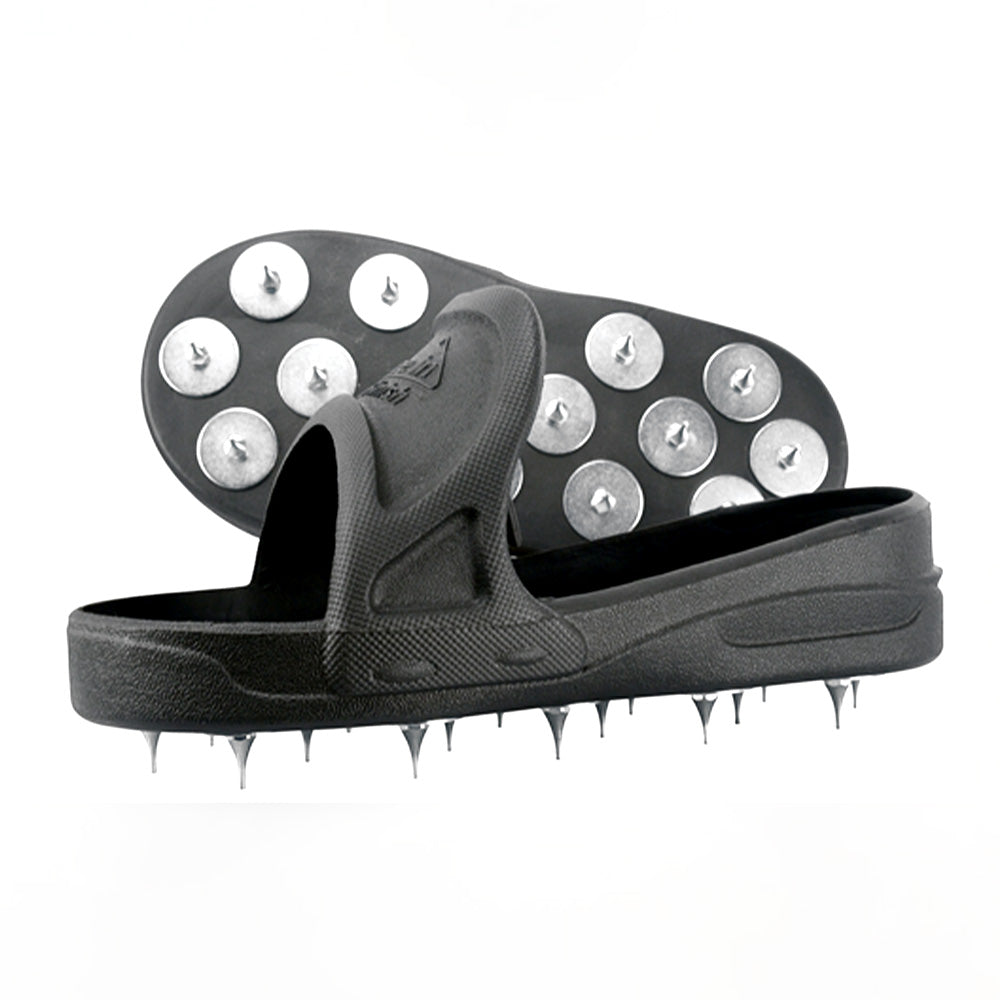
Small items are the silent killers of your profit margin. Add a dedicated "Consumables Charge" to every bid. This includes rollers, squeegees, mixing buckets, mixer paddles, spike shoes, tape, plastic sheeting, and gloves.
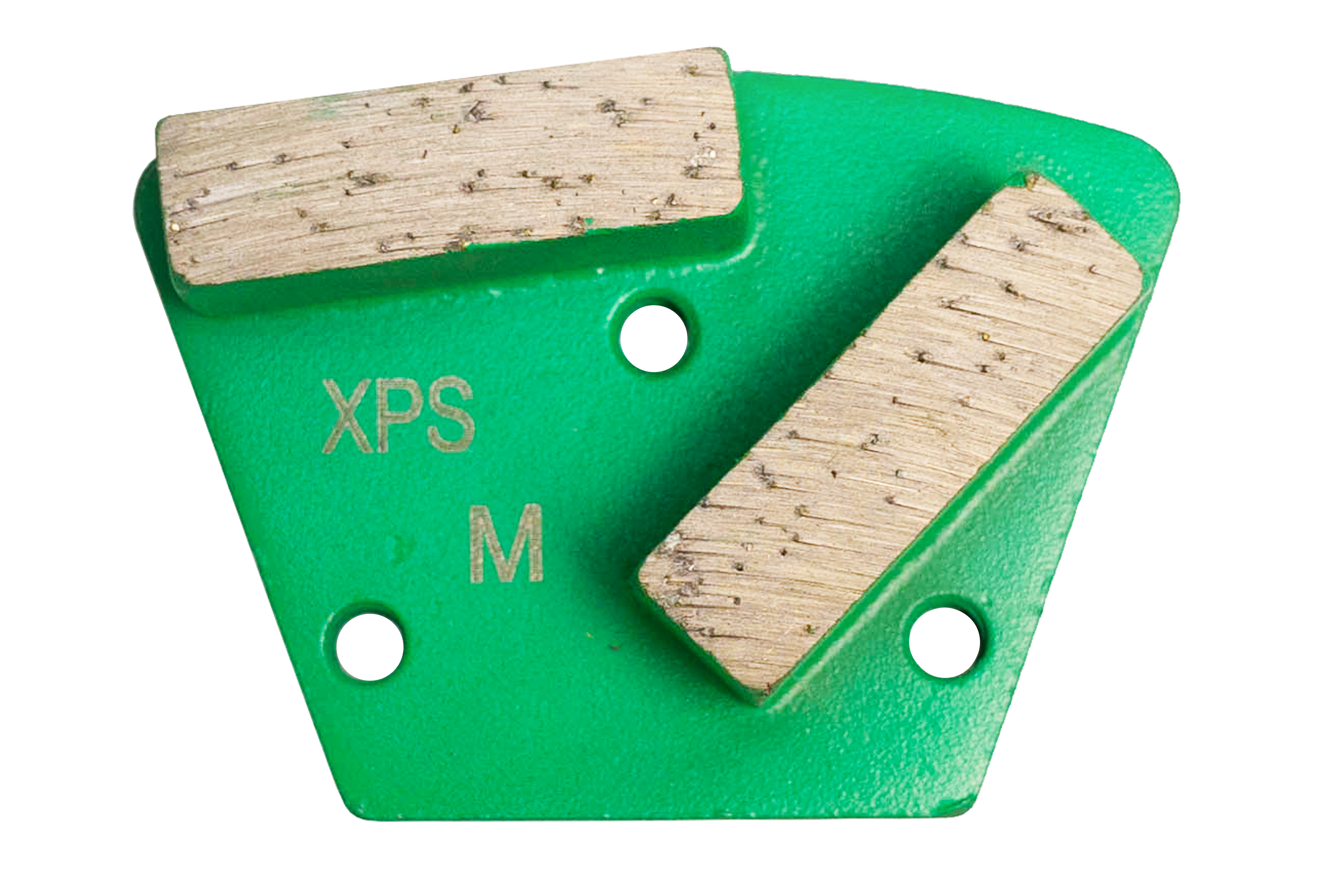
Tool wear is also a variable cost. Diamond tooling segments wear down on hard concrete. Factor in roughly $0.15–$0.25 per sq ft for diamond blade wear alone. The Surface Prep Starter Package (Genie) includes the Concrete Genie grinder and necessary tooling.
3. The "Multi-Visit" Labor Tax
An epoxy job is rarely a single-day project. A standard flake floor typically requires 2 to 3 separate visits: Day 1 for prep and base/flake; Day 2 for scraping and topcoat application.
You must account for:
-
On-Site Labor: Crew size x estimated hours on site x fully burdened hourly wage (include taxes, workers' comp, and benefits).
-
Drive & Setup Time: Calculate load-in, drive time, mixing setup, and cleanup time for every single day you visit the site.
- Trip Charge: If a job is 45 minutes away, 3 visits equal 4.5 hours of pure driving plus fuel and vehicle wear. Build a standard $150–$300 mobilization fee into jobs beyond a certain radius.
Forgetting to charge for multi-day travel is a classic mistake that turns profitable projects into break-even disasters. Many contractors effectively work for free on day three because they failed to build these recurring costs into their initial epoxy floor cost calculation.
4. Grading the Concrete and Prep Multipliers
Never price prep work as a flat fee. Grade the slab before writing the quote.
If you are removing tile adhesive or an old failing coating, charge a dedicated Removal Fee of $0.75–$1.50+ per square foot.
While acid etching appears in some guides, modern professionals now prefer diamond grinding due to inconsistent results and safety risks. Mechanical profiling with equipment like the Concrete Genie is the only reliable way to achieve the CSP 2-3 required for a lasting bond.
5. How to Price Epoxy Jobs' Margin vs. Markup: Avoiding the Math Error
This is where contractors accidentally lose 10% to 15% of their net profit. Remember that Markup is added to your cost (Cost × 1.30 = 30% Markup), while Margin is the percentage of the final sale price that is profit.
If your direct job costs are $2,000 and you want a 30% Margin:
- Wrong Way (Markup): $2,000 × 1.30 = $2,600 (Your actual margin is only 23%).
- Right Way (Margin): $2,000 ÷ (1 - 0.30) = $2,857.
- A Realistic Example: 500 Sq Ft 2-Car Garage
Let's calculate the epoxy cost for the floor for a standard residential garage to illustrate the math:
-
Materials (Resin, flakes, topcoat): $850 (includes 15% waste)
-
Consumables & Diamond Wear: $150
-
Labor (2 workers, 2 visits, 12 person-hours): $420
-
Mobilization & Fuel (2 trips): $100
- Total Direct Cost: $1,520
If your target Overhead and Net Profit is 35%:
Final Bid = $1,520 ÷ (1 - 0.35) = $2,338.46.
This works out to approximately $4.68/sq ft. Had you guessed $3.50/sq ft, you would have quoted $1,750 and barely cleared profit after expenses. Professional estimating rewards being patient enough to do the math.

How to Price Epoxy Jobs Installation: Professional Workflow
Step 1 – Assess the Substrate
Walk the job with a moisture meter and MOH hardness kit. Underestimating prep time is the primary cause of cost overruns. Always add 20% more prep time to your estimate to account for unforeseen conditions.
Step 2 – Diamond Grind to CSP 2-3
Use a planetary grinder to remove laitance and open the concrete pores. A proper mechanical profile is the foundation of a bond that can last 15-20 years. Professional standards dictate that you remove contaminants to ensure adhesion.
Step 3 – Apply Base Coat and Broadcast Flakes
Mix your Rockhard USA Epoxy at a 3:1 ratio. Pour and spread with a squeegee, then back-roll. Broadcast decorative flakes to rejection (or to preferred broadcast coverage rate). You must install your flakes before the resin cures to ensure proper anchoring.
Step 4 – Seal with Topcoat
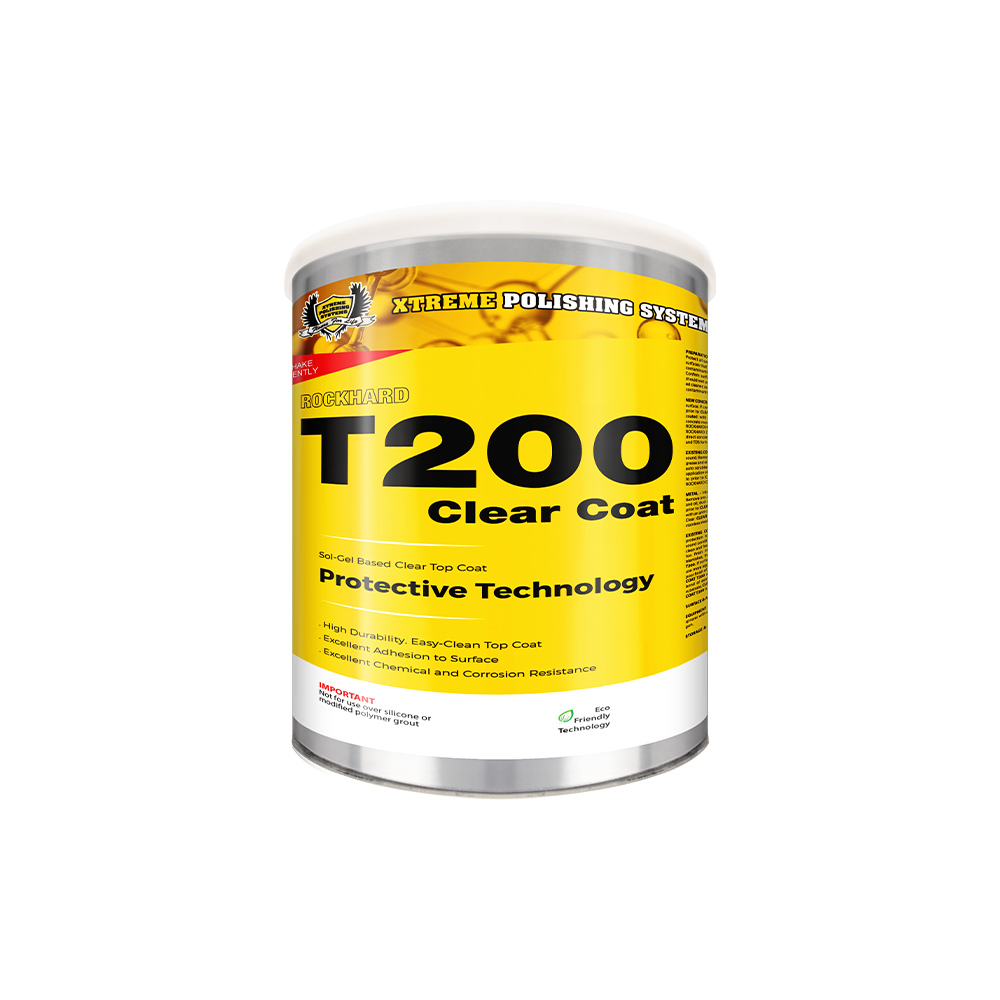
After the base coat cures (8-10 hours), apply a clear topcoat like XPS POLYUREA. This locks in the flakes and provides UV protection. Skipping the topcoat leads to yellowing and hot-tire pickup.
Frequently Asked Questions
1. How do I price an epoxy job for a commercial warehouse?
Commercial jobs range from $4.00–$10.00 per sq ft. Factor in higher insurance, longer payment terms, and heavy-duty equipment needs. Always include a contingency for hidden moisture.
2. What is the biggest mistake contractors make?
Underestimating surface preparation. Many new bidders allocate only 10–20% of the budget to prep, when it should be 40–50%—skimping on grinding leads to failure.
3. Should I charge by the square foot or hour?
For standard garages, square foot pricing is standard. For complex damage, use cost-plus pricing.
4. How do I handle change orders?
Include a clause stating that the bid covers visible conditions. Any hidden issues found during prep require a separate change order.
5. Can I learn to bid accurately without training?
It is possible, but risky. Epoxy Classes offers a 5-Day Hands-On Epoxy Certification Course that covers job costing, material estimation, and business management to prevent expensive mistakes.
Conclusion
Flooring contractor work rewards doing the math. Xtreme Polishing Systems' experience has led us to realize that the profit is in the margins, which means pricing your work competitively while doing the math so you still come out ahead. Keep labor time, travel, and resources in mind, and come prepared to any bid ready to get the best deal for your time.
Xtreme Polishing Systems (XPS) is the command center for concrete and resinous coating solutions galore. If you need more job-specific guidance or you're not sure what product is best for you, call our technicians at (877) 958-5264.