
Concrete slabs act like giant sponges, continuously releasing invisible moisture vapor that builds pressure beneath finished flooring systems. This pressure can lead to disastrous epoxy floor fails, sometimes leading to a complete reinstallation being necessary. Investing in proper moisture protocols directly affects project longevity, and you'll want to protect your business from day one.
Epoxy Floor Fails: Surface Preparation, Moisture Testing, and Liability
To avoid becoming another epoxy floor failure statistic, you need to understand why moisture testing and Moisture Vapor Barriers (MVBs) are non-negotiable. This guide breaks down the costs of failure, the protocols that prevent it, and how to protect your business and its reputation.
1. Moisture-Induced Flooring Failure: How Epoxy Floor Fails
When excess moisture gets trapped beneath non-porous floor coatings, it chemically breaks down adhesives. It physically destroys the installation from the ground up, leading to long-term failure, and sometimes failure within 12 to 24 months. This moisture entrapment is the root cause of so many epoxy floor fail stories you hear in the industry. Here are some of the effects:
- Severe Bubbling and Blistering: Trapped vapor creates osmotic blisters, causing epoxy coatings to swell, bubble, and pull away from the substrate. These aren't cosmetic issues - they're signs of total system failure.
- Adhesive Breakdown: High-pH moisture leaches alkalis from the concrete, dissolving adhesives into a sticky, failing slurry that completely ruins the bond.
- Costly Rework and Reinstallations: Complete flooring failure forces contractors to tear out ruined materials, mechanically grind off contaminated adhesive, and purchase all-new floor coverings - doubling or tripling initial project costs.
Our experience leads us to strongly state that substrate evaluation is critical. A $3,000 garage floor that fails becomes a $9,000 headache. The client blames you, your reputation suffers, and you are back on the same slab doing the job twice for free. Educate clients on these risks immediately so they understand that upfront investment correlates with longevity.
2. Prevent Epoxy Floor Fails with Moisture Testing and MVBs
Proper surface preparation relies on measuring risk and permanently sealing it out before you lay down materials. Don't waste money on temporary fixes that rely on guesswork! Never rely on visual inspections to determine whether a slab is dry.
- Moisture Testing: In-situ relative humidity (RH) probe testing (ASTM F2170) provides exact quantitative data on internal slab moisture rather than surface-level guesswork. While a sheet test offers preliminary signs, RH probes provide professional-grade certainty.
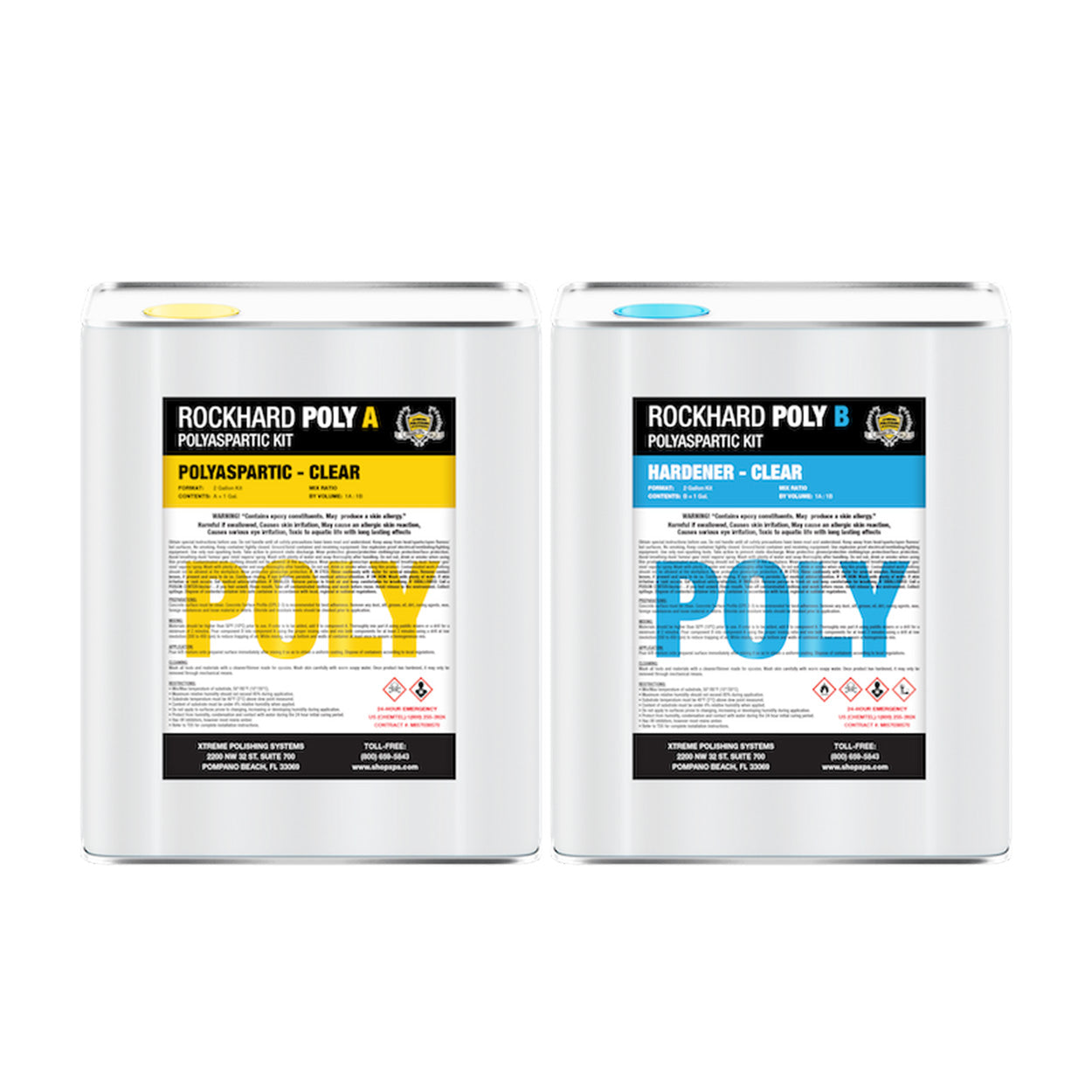
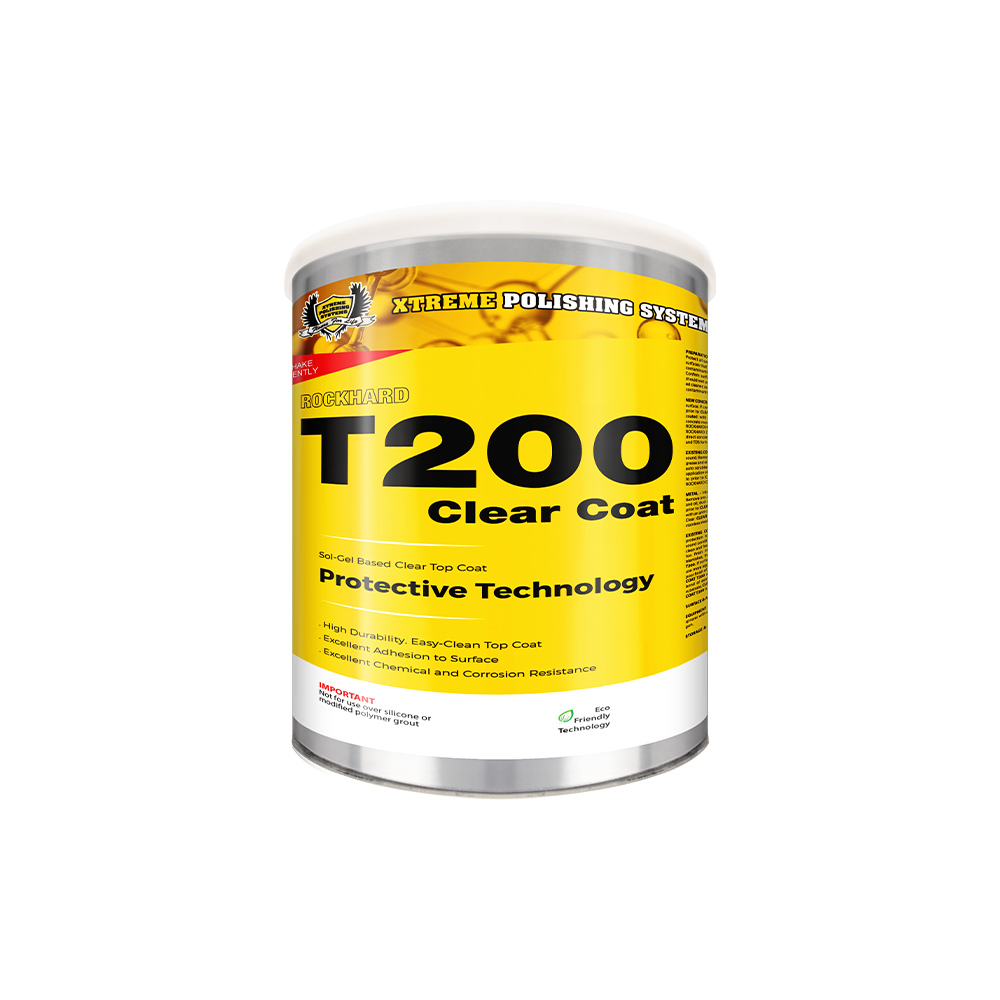
- Moisture Vapor Barriers (MVBs): When RH levels exceed manufacturer thresholds, applying a specialized epoxy MVB like RockHard's penetrates the concrete matrix to suppress vapor emission rates, guaranteeing a stable foundation regardless of seasonal water table shifts.
-
Mechanical Prep: Proper prep opens the concrete pores so the MVB can anchor directly into the slab profile. While some guides mention acid etching, modern professionals prefer diamond grinding because acid etching can be inconsistent and poses safety risks.
Without an MVB, even a perfectly applied epoxy coating will eventually fail as hydrostatic pressure builds over time. You'll want to ensure that you use calibrated meters and record your readings. A minor investment in testing and an MVB upfront prevents a massive tear-out and costs later.
3. The MVB Solutions That Stop Epoxy Floor Fails
Not all moisture barriers are created equal, and matching the right product to the specific slab condition is critical. You'll want to choose a high-performance system engineered for the specific moisture vapor emission rate (MVER) of your concrete.
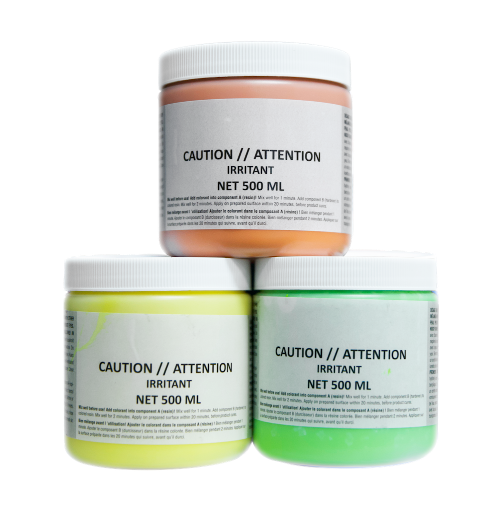
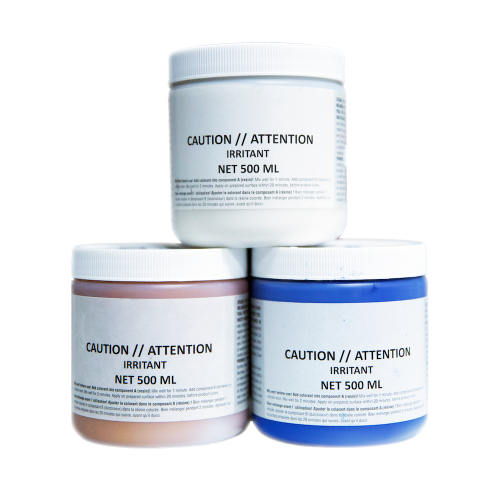
For moderate moisture levels (up to 3 lbs MVER), the Rockhard USA Epoxy Kit can serve as a high-performance base coat.
- Use it as a pigmented base coat on slabs with normal moisture readings (for example, for damp basements).
- RockHard's USA Epoxy Kit is made of 100% solids, self-leveling, and creates a dense surface that resists bacteria and moisture.
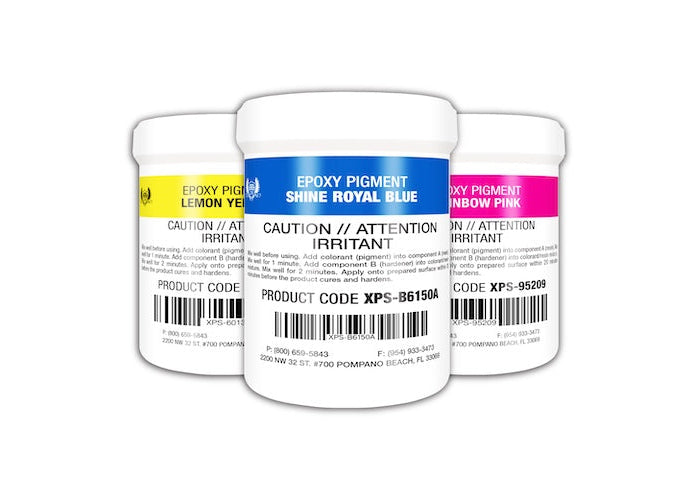
For elevated moisture levels (up to 25 lbs MVER), the XPS Super Fast Cure Epoxy is a solvent-free, 100% solids system engineered for tight schedules.
- Use it as a moisture vapor barrier on slabs with elevated RH readings where quick return-to-service is critical.
- XPS' Super Fast Cure (or similar product) offers excellent abrasion and impact resistance and can be used as a primer, base coat, or standalone finish.
Our industry experience has shown that using specialized products formulated for high moisture suppression is non-negotiable for challenging concrete slabs.

Installation: Proper MVB Application Protocol
Step 1 – Moisture Testing
Perform ASTM F2170 (in-situ RH) or ASTM F1869 (calcium chloride) tests across the floor. You'll want to ensure you take multiple readings to get a complete mapping of the slab. Document all results carefully.
Skipping this step is a major cause of epoxy floor fails. Don't waste money on temporary fixes without knowing the numbers! If RH exceeds 75% or MVER exceeds 3 lbs, you absolutely need a dedicated MVB to prevent failure.
Step 2 – Mechanical Surface Preparation
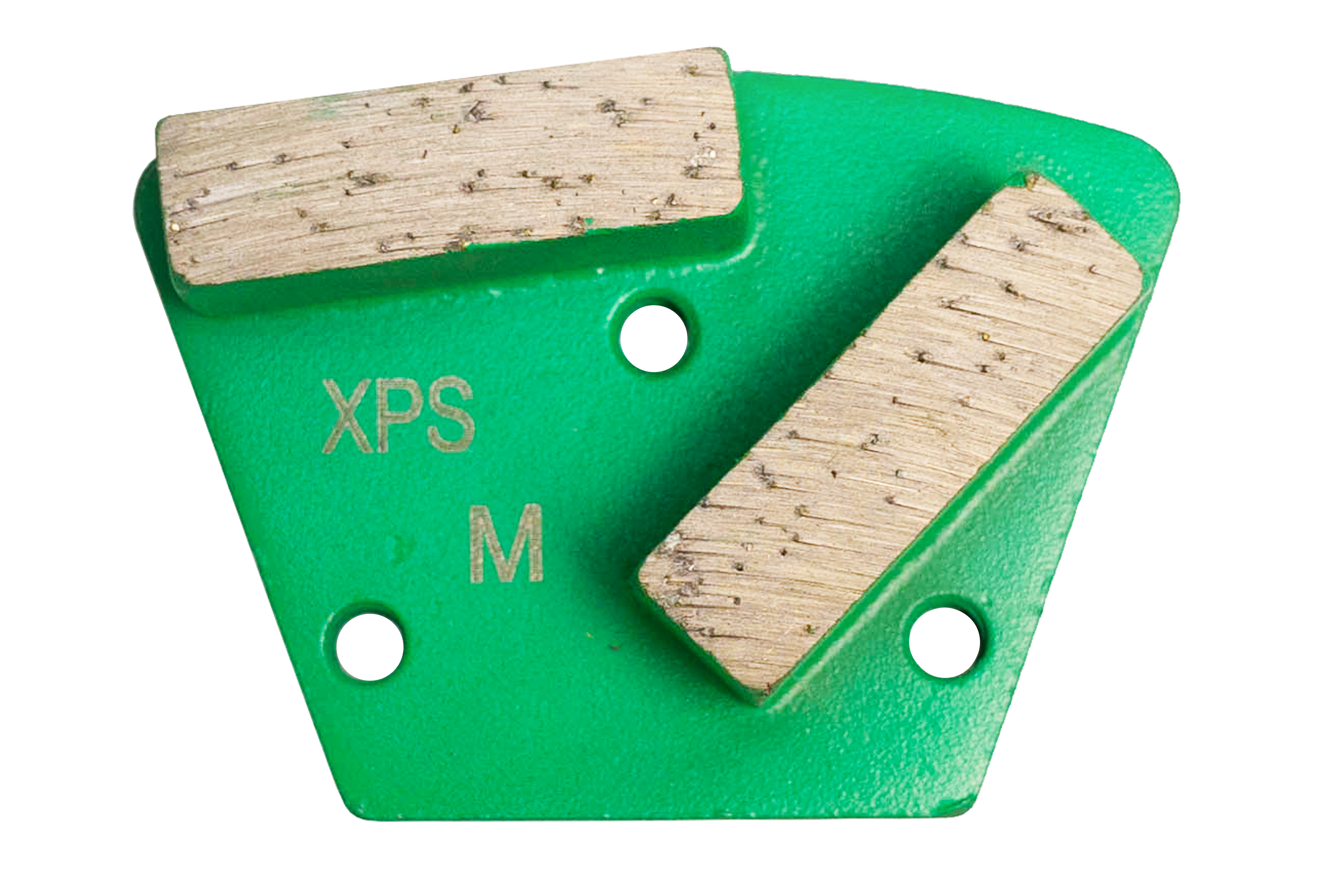
Diamond grind or shot-blast the slab to a CSP of 2–3, then HEPA vacuum thoroughly.
- The Surface Prep Starter Package (Genie) includes the Concrete Genie grinder and Tromb 400L dust extractor - everything you need for proper profiling.
Step 3 – Apply the MVB
Mix the MVB according to manufacturer specifications, paying close attention to mixing times. Apply at the recommended coverage rate (typically 100 sq ft per gallon) using a squeegee or roller to ensure even coverage.
Improperly applied MVB leaves thin spots where vapor can push through, causing localized blistering. You'll want to ensure a uniform film thickness across the entire floor to prevent pressure points.
Step 4 – Allow Proper Cure, Then Apply Base Coat
Allow the MVB to cure fully before applying your epoxy base coat. Follow the manufacturer's recoat window precisely.
Applying the base coat too soon traps solvents and prevents proper adhesion. Patience and adherence to technical data sheets are what separate professional installers from failed DIY attempts.
4. Educating Clients and Protecting Your Business
Clients often view surface prep as an optional upsell rather than a technical necessity. You'll want to ensure you frame the conversation around financial risk and long-term asset protection. Don't let a client's budget constraints force you into taking on liability for a failing slab!
-
Frame the conversation around costs: The moisture test is $150. If the slab meets the manufacturer's requirements, we proceed as planned. If moisture levels exceed those limits, moisture mitigation may be required at an additional cost, estimated at $500 for this project.
- Installing without the required mitigation can create a serious risk of bubbling, blistering, delamination, or peeling, potentially resulting in costly repairs.
- Issue a written acknowledgment of declined recommendations: If the client refuses required surface preparation or moisture mitigation, have them sign a document confirming that the risks, recommendations, and potential consequences were explained. Have an attorney review the form before using it.
-
Clarify warranty limitations: Document that declining preparation or moisture mitigation required by the manufacturer may exclude the project from applicable material, adhesive, system, or installation warranties.
- Avoid stating that every warranty is automatically void unless confirmed by the specific warranty terms.
- Maintain detailed project records: Keep all moisture test results, testing methods, readings, test locations, environmental conditions, site photos, product specifications, recommendations, estimates, and client communications.
- Be prepared to decline the installation: If the client insists on proceeding against manufacturer requirements or professional recommendations, walking away may be the most responsible business decision.
Investment correlates with longevity, and industry best practices indicate that protecting your business legally is just as important as the physical prep. One bad epoxy floor job can destroy your reputation in a local market. A signed waiver protects your livelihood.
5. Training: The Best Defense Against Epoxy Floor Fails
The most successful contractors understand moisture testing and MVB application because they learned it in a hands-on environment. Don't waste money on trial and error in the field! Epoxy Classes offers a 5-day hands-on epoxy certification course that covers everything from substrate evaluation to final topcoats.
Our experience in the industry indicate that contractors with formal training experience significantly fewer callbacks than self-taught installers. Investing in education pays for itself on your very first moisture-challenged job.
Frequently Asked Questions (FAQs)
What is the most common cause of epoxy floor failures?
Poor surface preparation and skipped moisture testing. If the concrete has high moisture vapor emission and no MVB is applied, the epoxy will bubble and peel within 12–24 months. Don't waste money on temporary fixes!
How do I test for moisture in concrete?
Use ASTM F2170 (in-situ RH probes) or ASTM F1869 (calcium chloride tests). A simple plastic sheet test can provide a preliminary indication, but professional-grade testing is required for accurate results. You'll want to ensure you document your findings.
What is an MVB, and when do I need one?
An MVB is a specialized epoxy primer that blocks rising vapor. You need one when RH exceeds 75%, or MVER exceeds 3 lbs.
Can I apply extra epoxy instead of an MVB?
No. Standard epoxy cannot block hydrostatic pressure; use a dedicated MVB like the Rockhard USA Epoxy Kit or XPS Super Fast Cure.
What should I do if a client refuses moisture testing or surface preparation?
Issue a written liability waiver, void all warranties, document everything, and be prepared to walk away.
Conclusion
Moisture is the silent killer of epoxy floors. By testing every slab, applying an MVB when needed, and educating clients on the risks, you protect your work and your reputation. With just a little bit of patience and planning, mixed with thorough preparation, you can avoid all of these epoxy flooring business pitfalls. And, above all, avoid disastrous epoxy floor fails.
Xtreme Polishing Systems (XPS) is the central hub for all things epoxy and concrete flooring. For more personalized assistance, reach out to our technicians at (877) 958-5264 for any project or product guidance.