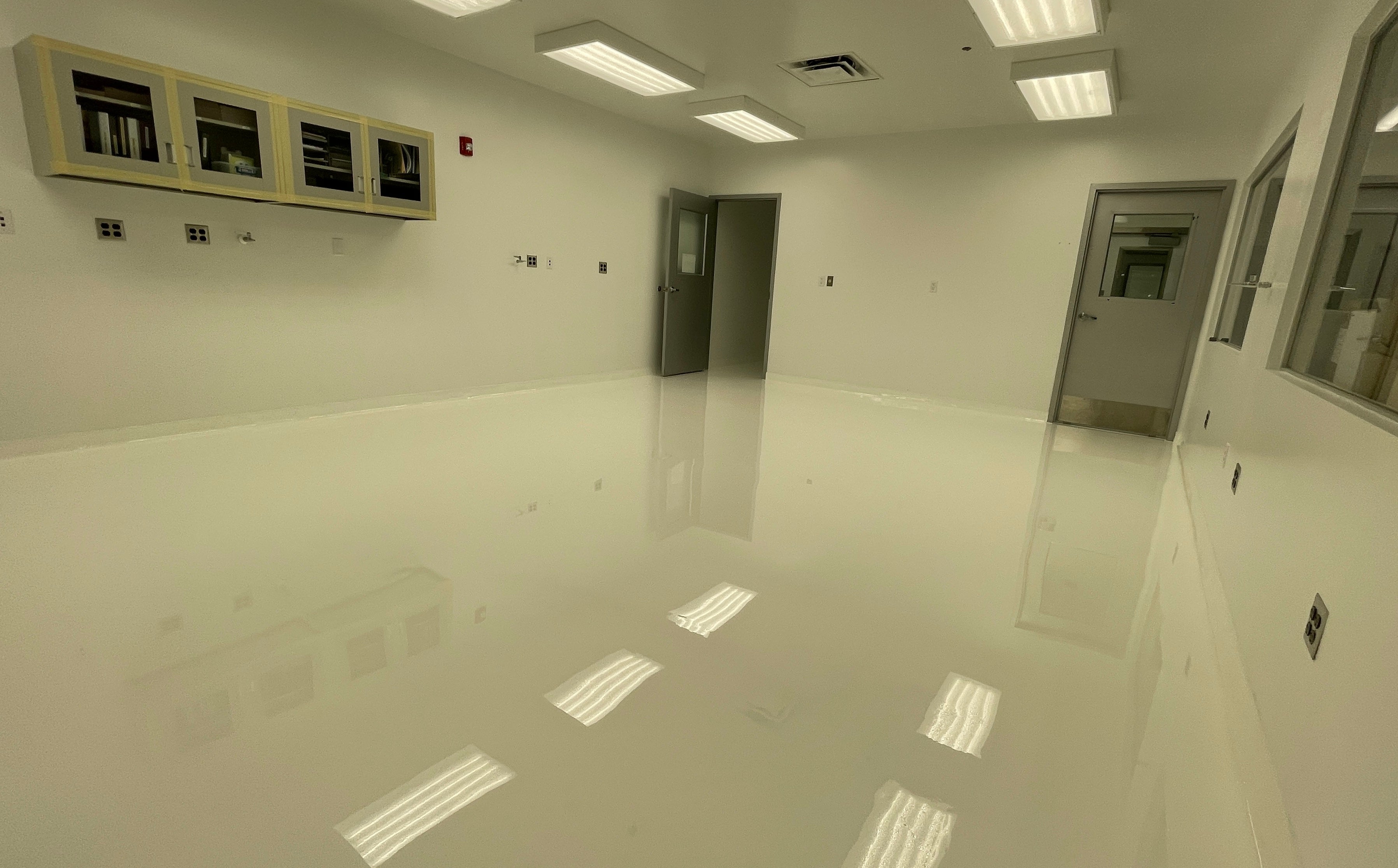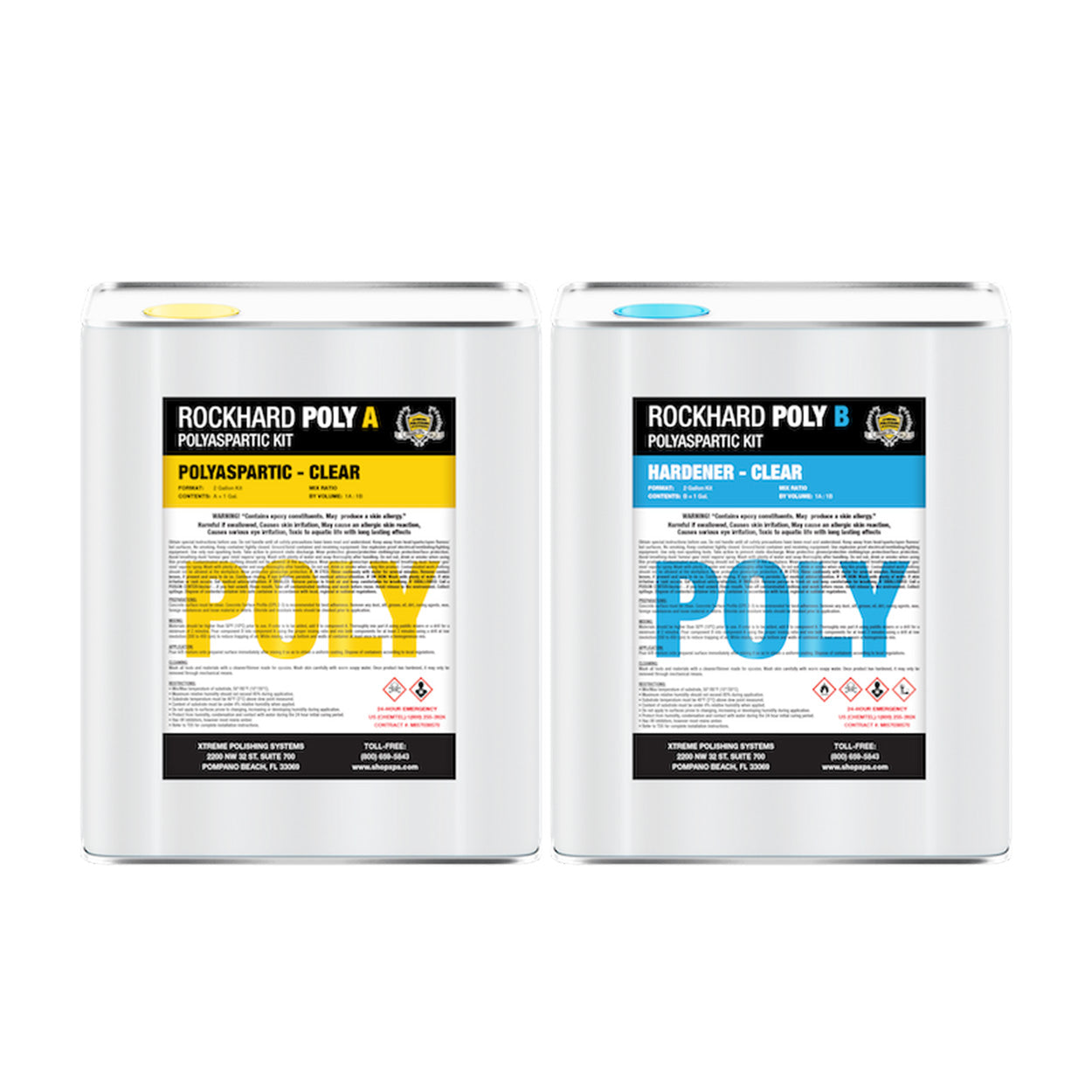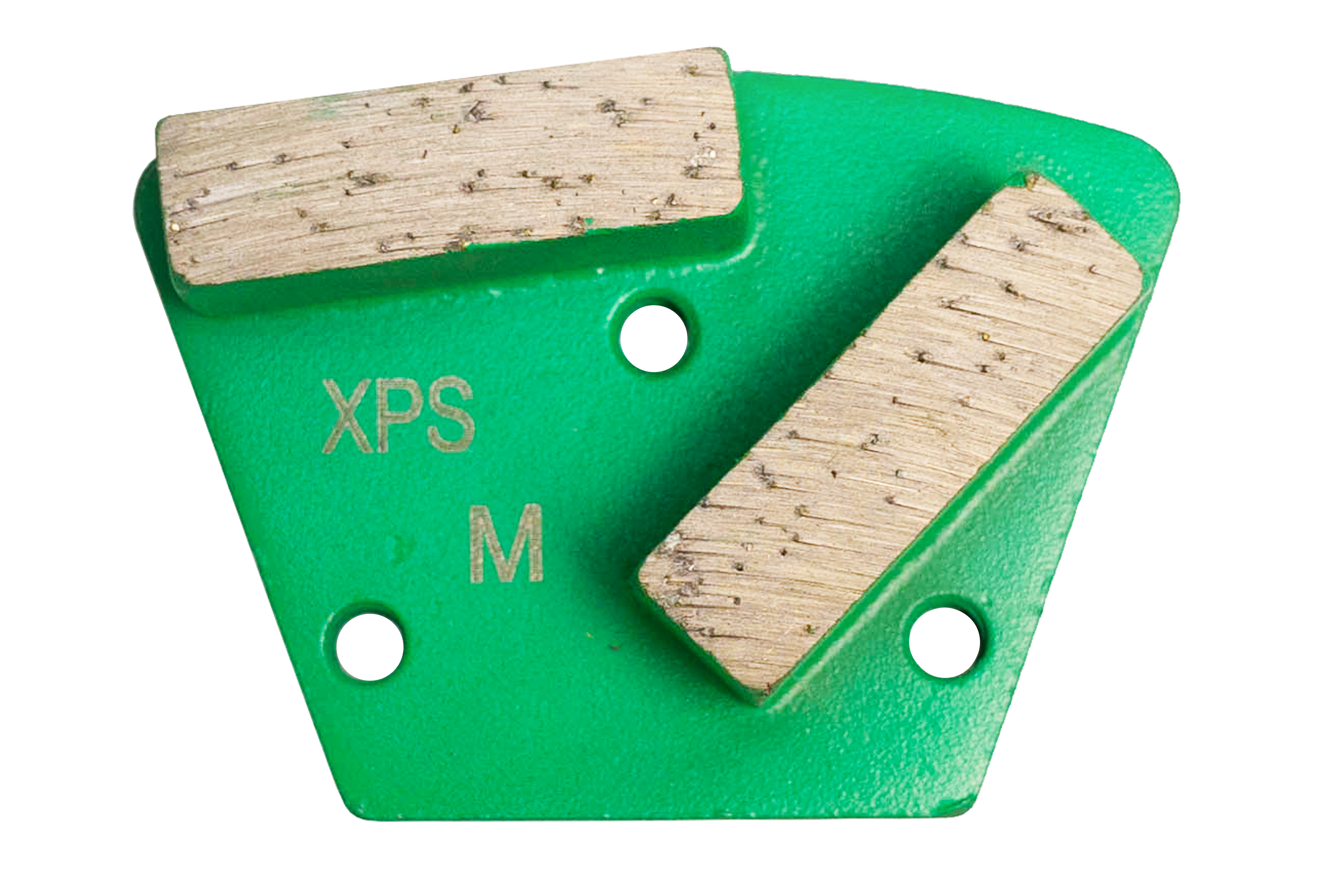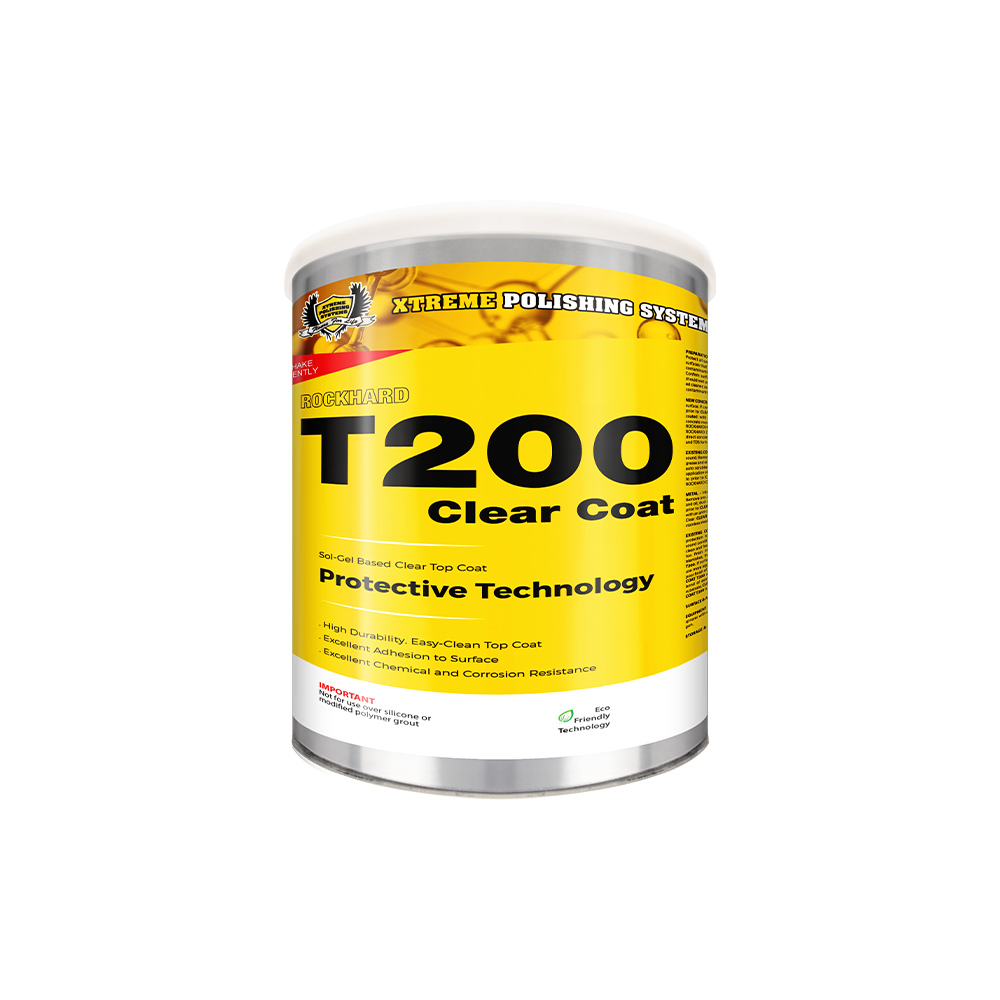

Entrepreneurs across the country find new and exciting ways to make money in their side businesses every day. But if you don’t want to take a risk on a new path, what’s your most reliable profit-generating opportunity? Look to epoxy flooring. Epoxy flooring consistently outperforms most side business ideas in terms of profitability and demand.
Whether you’re happy with the extra cash a few garage jobs a month provides, or you’re looking to start establishing yourself in the flooring industry, XPS is here to guide you through it.
How to Start An Epoxy Flooring Side Business
1. Professionalize Your Setup: The Equipment That Defines Your Profit Margin
When epoxy work is just a side business, compromises are easy: you rent tools sporadically, use DIY-grade rollers, and drive your personal vehicle for material transport. But if you want to maximize your profitability, even with just your side business, you’ll want to invest in some more permanent, efficient solutions.
How to Invest in the Right Tools for Profit
The single most critical step in epoxy flooring is surface preparation. Industry best practices indicate that a mechanical profile (diamond grinding) is essential for a lasting, professional bond. Acid etching used to be an industry standard, but it’s simply less efficient, less effective, and less safe.
The Surface Prep Starter Package (Genie) from Xtreme Polishing Systems is built for contractors just starting to build their portfolio. It includes the robust Concrete Genie floor polisher and the powerful Tromb 400L dust extractor. This package is ideal for operators who need to perform consistent, aggressive, and dust-controlled grinding across all standard residential garage sizes. Alternatively, if you're already established and looking to upgrade, the Baby Mammoth or even Mammoth packages are perfect for you.
Invest in a dedicated trailer or van that functions as a mobile workshop. Properly organizing all your specialized tools - squeegees, notched rollers, mixing buckets, and spiked shoes - in a fixed rig can easily save you a mountain of time, translating directly into better profits.
2. Epoxy Flooring Side Business: Sales Cycles, Lead Generation
In the side-hustle phase, relying on simple word of mouth works. Even with word of mouth, though, you’ll need to help it along to get the most value. And if you’re looking to transition into a full-time business in the future, this foundation-laying will pay dividends. Here is how you build a powerful marketing presence without relying on expensive, general advertising:

Epoxy Flooring as a Side Business: Garage Flooring Projects & Winning Sales Pitches
To stand out in a competitive market, it pays to offer finishes that genuinely wow clients. For a side business, we recommend focusing on solutions tailor made for garage and driveway installations. These jobs will make up the bulk of your contracts. Xtreme Polishing Systems offers a full line of epoxy flake and quartz floors, including specialized systems such as Cabin Fever from the Torginol Collection or Flipper from the Insignia Collection.
Your winning sales pitch should revolve around the professionalism of your process. Emphasize the care you put into making sure the floors you install will last for years, and put the work in to guarantee it. As an entrepreneur, your reputation and portfolio deserve a lot of focus.
3. Fortify Your Foundation: Operations, Legal, and Pricing for Profitable Epoxy Flooring Side Businesses
This is the point where many side business operators stumble when attempting to go full-time. A professional operation requires proper legal, insurance, and financial safeguards.
Legal and Risk Management
Insurance & Licensing: General liability insurance should be non-negotiable if you’re looking to be serious about your business. If a grinding machine shorts out, if a vapor barrier fails, or if a resin bucket accidentally leaks onto a client’s newly paved driveway, you absolutely do not want that liability coming out of your personal or business pocket. Form an LLC or S-Corp and obtain a minimum of $1M in general liability coverage.
The Contract: Your contract must be airtight. Consult with a legal advisor, build up a reliable and safe contract form to use with all of your clients. Consider every possibility, and protect yourself and your profits.
Pricing and Workflow Optimization
There’s plenty of profit to be had transitioning from a weekend side gig to a full-time business, but more responsibility, too. That means taking a more serious look at how the flow of your business operates financially. You are now paying for materials, labor, specialized insurance, vehicle maintenance, marketing, and your own health insurance.
Abiding by a profit formula to help you price your jobs will help you plan your business flow. Here's a starter formula you can adjust to your personal financial situation: (Material Costs + Labor Costs + Overhead Expenses) × Profit Multiplier (minimum 1.3–1.5)
This helps ensure your pricing not only covers project expenses but also builds in healthy profit margins for sustainable business growth. The exact multiplier may vary depending on your market, project complexity, and desired profit goals.
4. Expanding Beyond A Side Business: Bidding on Commercial and Industrial Work
While residential garages are the bread and butter of your initial epoxy flooring business, commercial and industrial jobs offer substantially higher margins and ticket sizes. Once your side business has a strong portfolio and a professional reputation, immediately start bidding on diversified projects:
- Commercial Kitchens & Food Service: These environments require specialized systems with antimicrobial additives and extremely high slip resistance. Use a system like Rockhard USA Epoxy with a heavy-duty textured broadcast of sand or aggregate to meet safety standards.
- Metallic/Designer Floors: These are your high-art, highest-margin projects, perfect for retail spaces, showrooms, and high-end residential basements. Combine a metallic pigment with a clear, high-quality epoxy like Rockhard USA for stunning, custom effects.
- Warehouses & Manufacturing Floors: These demand high-build systems specifically engineered to withstand immense point-load stress and continuous forklift traffic. These will be your goal projects: high demand, high profit, but high responsibility and risk, too.
5. The Transition Timeline: Don’t Quit Your Day Job Prematurely
Making the leap from a side business to a full-time career requires a controlled, measured approach. You must not resign from your current job until you have achieved all three of these critical milestones:
- Backlog Secured: You have at least 4-6 weeks of work fully booked and scheduled.
- Cash Reserves Established: You have saved enough to cover at least 3 months of both business overhead and personal living expenses.
-
Refined and Standardized Process: You have perfected your system so you can estimate a standard job in 15 minutes or less and execute it with a standardized, pre-stocked "kit."
The absolute fastest way to build the confidence and professional skills needed before making this financial leap is through hands-on training.
Epoxy Classes offers a multi-day hands-on certification course. This course is designed for operators who want to make epoxy a full-time career. You’ll master mechanical grinding techniques, moisture testing protocols, and complex metallic systems. Upon completion, you receive an epoxy flooring certification that verifies your professional training, helping you win larger commercial bids.
Frequently Asked Questions (FAQ)
1. Can I really start an epoxy flooring side business with no prior experience?
Yes, you can, but it requires structured learning. Start by enrolling in a certification course to build foundational knowledge, and then practice rigorously.
2. How much money can I realistically make running an epoxy side business on weekends?
A standard two-car garage (400–500 sq. ft.) typically generates revenue of $1,500-$3,500. Consistent weekend jobs can translate to an extra $6,000–$14,000 per month.
3. What’s the single most important piece of equipment for a full-time epoxy business?
A planetary floor grinder with HEPA dust extraction, such as the Surface Prep Starter Package (Genie), is unequivocally the most important investment.
4. Do I need a license to start an epoxy flooring side business?
Requirements vary by state. Many areas have a "handyman exemption" for small jobs, but full-time operations should form a legal entity (e.g., an LLC) and obtain comprehensive insurance.
5. How do I find my first epoxy flooring clients for a side business?
Start with your own garage floor for photos. Use local Nextdoor or Facebook groups to offer a discounted rate for your first few jobs in exchange for 5-star reviews.
Conclusion
Starting an epoxy resin flooring side business is completely viable. Turning your epoxy side business into a financially secure, full-time career is absolutely achievable - but both require immediate commitment to professional standards: industrial equipment, sharp sales skills, rock-solid legal protection, and proper hands-on training. Your path to profit is right in front of you, and XPS is here to help you walk it.
Xtreme Polishing Systems (XPS) is your central hub for all things resinous and concrete flooring. For more specific product or job guidance, reach out to our technicians at (877) 958-5264.