
When it comes to epoxy flooring, most homeowners and contractors immediately think of the final look. Glossy, durable, and seamless. But what you don’t see underneath that beautiful finish matters even more.
To achieve a high-performance epoxy floor, crack repair before epoxy is a non-negotiable step. Cracks not only ruin the appearance of your coating but also weaken the structural integrity of your slab and shorten the lifespan of your epoxy system.
Whether you’re coating a garage, warehouse, basement, or shop, understanding how to repair cracks properly can make or break your installation. This guide explains why crack repair is essential, how to assess different types of cracks, the right materials to use, and a full step-by-step repair process.
Why Crack Repair Before Epoxy Matters
Even the best epoxy system will fail if applied over damaged concrete. Here’s why repairing cracks is essential before coating:
1. Ensures Strong Adhesion
Epoxy bonds best to structurally sound, clean, and solid concrete. Cracks that are left untreated can create weak points where the coating lifts, bubbles, or peels over time.
2. Prevents Moisture Intrusion
Cracks allow moisture vapor to travel upward through the slab. Moisture is one of the top reasons epoxy fails—causing discoloration, adhesion loss, or blistering.
3. Stops Cracks From Spreading
Even hairline cracks can expand under pressure, temperature shifts, or load-bearing stress. Repairing them stabilizes the slab before additional work is done.
4. Achieves a Flawless Finish
Epoxy highlights imperfections. Every crack, dip, and uneven area becomes visible once a coating is applied. Repairs ensure a smooth, professional appearance.
Types of Cracks You’ll Encounter
Not all cracks are the same. Identifying the type helps determine the repair method.
Hairline Cracks
- Typically cosmetic
- Often caused by shrinkage during curing
- Still require filling to prevent epoxy failure
Surface Cracks (Minor Structural)
- Slightly wider (1/16"–1/8")
- Caused by wear, small impacts, or minor movement
- Require cleaning, opening, and filling
Expansion Joint Cracks
- Intentional cracks in the slab
- Should not be filled with rigid epoxy fillers
- Require flexible joint material
Structural Cracks (Active Movement)
- Wide cracks that shift or separate over time
- May require injection, stabilization, or professional evaluation
- Coating directly over them without repair can cause major failure
Materials Needed for Concrete Crack Repair
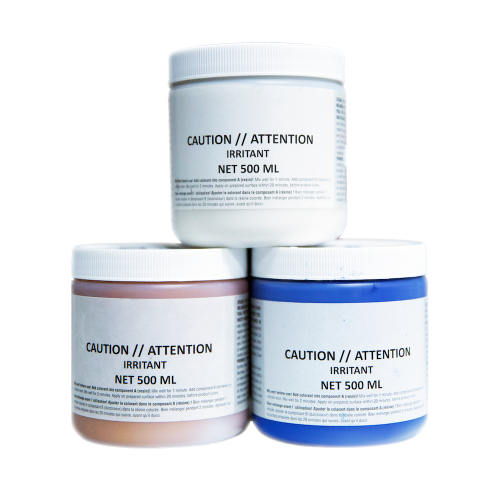
Before beginning repairs, gather the right products. Professional installers commonly use:
Crack Fillers and Repair Products
- Fast-setting polyurea crack filler (most recommended)
- Two-part structural epoxy fillers
- Polyurethane joint sealants (for flexible joints)
Tools Required
- Diamond crack chaser blade
- Angle grinder
- Wire brush
- Shop vacuum
- Caulking gun
- Putty knife or trowel
- PPE (gloves, respirator, goggles)
Step-by-Step: How to Repair Cracks
Before applying epoxy follow this process to ensure a strong, professional repair that won’t telegraph through your coating.
Step 1 — Inspect and Assess the Crack
Look at length, width, movement, and depth. Ask yourself: Is it structural or cosmetic? Does it shift when pressure is applied? Is moisture coming through? If the crack shows significant movement, a structural solution may be needed before resurfacing.
Step 2 — Open and Clean the Crack
Use a crack chaser
Use an angle grinder with a diamond crack chaser blade to widen the crack slightly into a V-shape. This helps filler penetrate deeper.
Remove dust and debris
Vacuum thoroughly and brush out remaining particles. No dust = better adhesion.
Step 3 — Fill the Crack with the Right Material
For hairline cracks:
Use a low-viscosity polyurea designed to wick deep into narrow cracks.
For larger cracks:
Apply a thicker epoxy crack filler or polyurea at full depth.
For control/expansion joints:
Use a flexible joint sealant—not rigid filler. Apply slowly and allow the material to self-level. Overfill slightly.
Step 4 — Shave and Sand Smooth
- Once cured: Shave the filler flush with a razor scraper
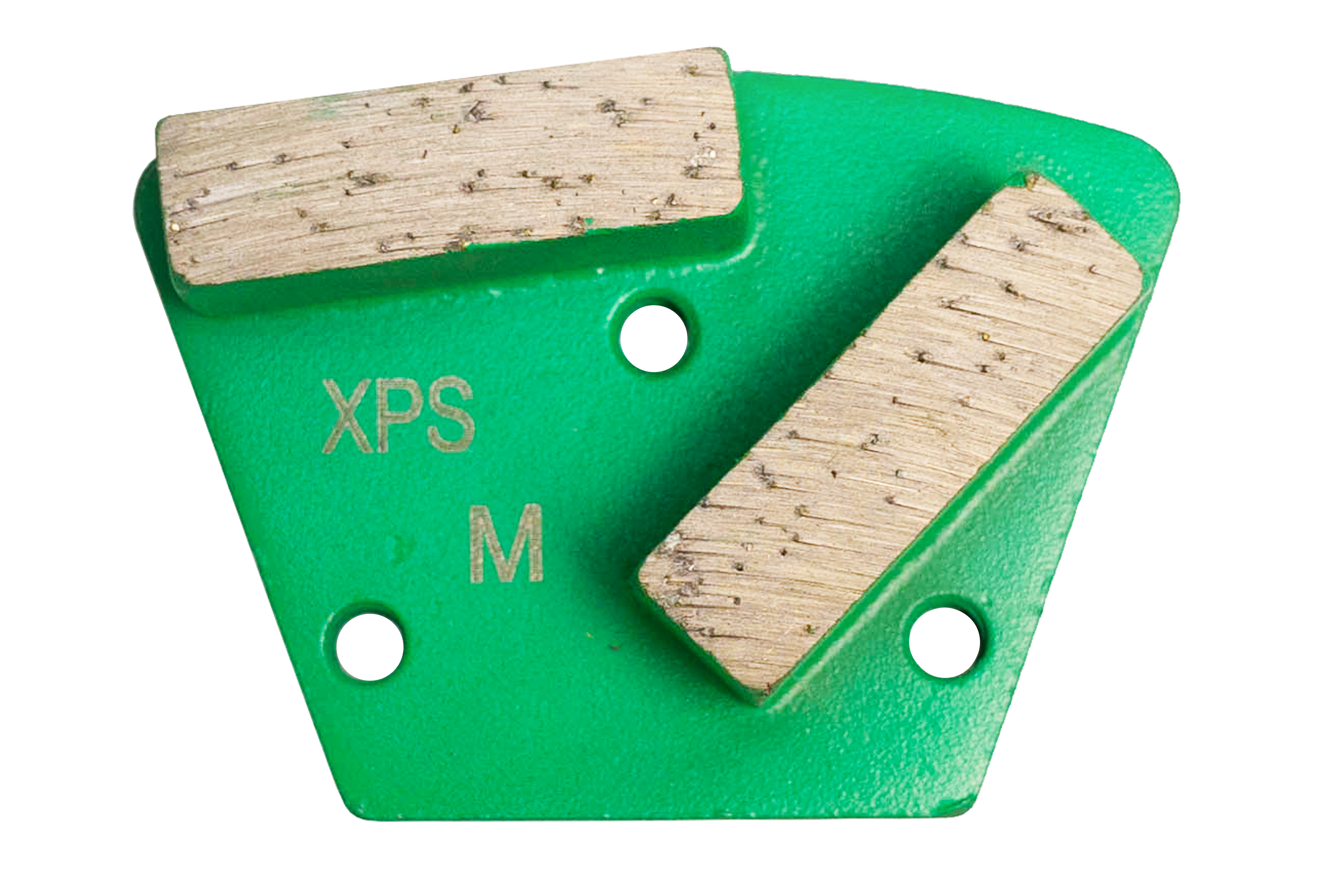
- Lightly grind the area with a diamond cup wheel
- Ensure the surface is even with the surrounding slab
- Smoothness is crucial. Epoxy magnifies surface inconsistencies.
Step 5 — Proceed With Surface Prep
Crack repair alone isn’t enough. Before coating, you must also:
- Grind the entire floor with a concrete grinder
- Remove old coatings
- Perform moisture testing
- Fix pits, spalls, or low spots
After full prep, your slab is finally ready for an epoxy primer, base coat, and topcoat.
Common Mistakes to Avoid
Avoid these errors that lead to premature coating failure:
Using cheap or incorrect fillers
Latex caulk and concrete patch kits won’t hold up under epoxy.
Not cleaning dust from cracks
Dust prevents proper bonding, so vacuum thoroughly.
Skipping moisture testing
Moisture vapor can push epoxy off the floor.
Rushing cure time
Follow manufacturer instructions—fast doesn’t mean instant.
Forgetting movement joints
They must stay flexible. Rigid epoxy filler will crack.
Final Thoughts: Repair First, Coat Second
Epoxy flooring is an investment, and like any long-lasting finish, it starts with solid preparation. Crack repair before epoxy ensures:
- Strong adhesion
- A smooth, seamless finish
- Long-term performance
- Reduced risk of coating failure
Whether you’re a DIYer or a pro installer, taking the time to repair cracks properly will pay off with a floor that looks incredible and stands the test of time.