
Concrete overlays offer a practical, cost-effective way to restore worn or damaged concrete without demolition. Learn what concrete overlays are, how they work, and when they’re the right solution for your project.
What Are Concrete Overlays?
Concrete overlays are thin, polymer-modified cement coatings applied directly over existing concrete surfaces. They are designed to restore function, improve appearance, and extend the life of worn concrete without the need for demolition.
A Thin Yet Powerful Solution
Most overlays are applied in layers ranging from 1/8 inch to 1/4 inch thick. Despite their thin profile, they deliver impressive performance due to the polymers and additives blended into the cement mix. These components improve flexibility, adhesion, and resistance to wear.
Polymer-Modified Cement Composition
Concrete overlays typically consist of:
- Cement Fine aggregates or sand
- Polymers for strength and bonding
- Specialty additives for workability and durability
This combination allows overlays to bond tightly to existing concrete while resisting cracking, abrasion, and environmental exposure.
Customization and Design Flexibility
One of the biggest advantages of concrete overlays is their versatility.
Decorative Finishes
Overlays can be finished in a variety of ways, including:
- Smooth, modern finishes
- Textured or broom finishes
- Stamped patterns that resemble stone, brick, or tile
Color and Aesthetic Options
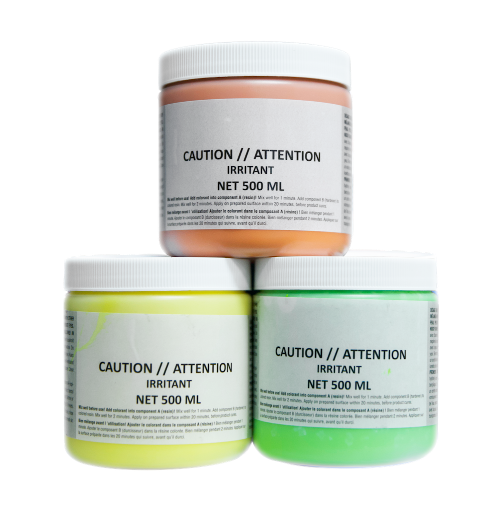
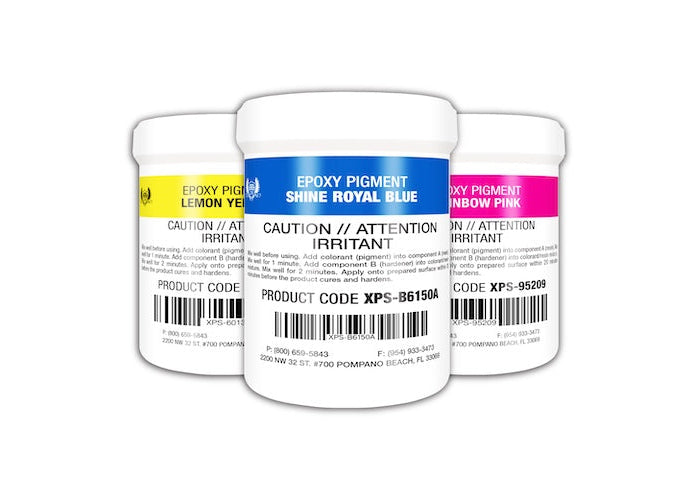
Pigments, stains, and dyes can be added to achieve virtually any color, allowing concrete overlays to complement surrounding architecture or design themes.
Stamped and Textured Applications
Stamped concrete overlays are especially popular for patios, pool decks, and walkways, where homeowners want decorative appeal without the cost of natural stone.
Strength and Durability Benefits
Thanks to polymer modification, concrete overlays are engineered for performance.
Enhanced Adhesion
Polymers improve the bond between the overlay and the existing slab, reducing the risk of peeling or delamination when installed correctly.
Improved Wear Resistance
When paired with proper surface preparation and sealing, overlays can withstand foot traffic, vehicle loads, and environmental exposure.
When to Use Concrete Overlays
Concrete overlays are not a one-size-fits-all solution, but they are ideal in many scenarios.
Repairing and Restoring Existing Concrete
Overlays are commonly used to address:
- Surface spalling
- Minor cracks
- Low spots and uneven areas
- Stains and discoloration
- General surface wear
They restore functionality while improving appearance.
Upgrading Aesthetics
If the concrete is structurally sound but visually outdated, overlays can transform dull slabs into decorative surfaces without replacement.
Cost-Effective Renovation
Concrete overlays are typically far less expensive than tearing out and replacing concrete. They also reduce construction waste and downtime, making them an efficient renovation option.
When the Concrete Base Is Structurally Sound
Overlays work best when the existing slab is in good condition. They are not intended to correct major structural issues, severe cracking, or unstable subgrades.
Ideal Applications for Concrete Overlays
Concrete overlays are suitable for both indoor and outdoor use across residential, commercial, and industrial environments.
Residential Applications
- Driveways
- Patios
- Pool decks
- Sidewalks
- Garage floors
- Basement floors
Commercial and Industrial Uses
- Retail floors
- Office spaces
- Warehouses
- Light industrial facilities
- Public walkways
Key Considerations Before Installing Concrete Overlays
Proper planning and evaluation are critical to long-term success.
Substrate Quality Matters
The existing concrete must be:
- Structurally sound
- Clean and properly profiled
- Free from major cracks or movement
Without a solid base, even the best overlay system can fail.
Moisture Testing Is Essential
Excess moisture vapor coming up through the slab can cause overlays to delaminate or bubble over time.
Moisture Mitigation Solutions
Professional contractors often perform moisture testing and, if needed, install a moisture vapor barrier before applying the overlay to ensure proper adhesion.
Choosing the Right Overlay Type
Not all overlays are the same. The product must match the application.
Traffic-Rated Overlays
Best for driveways, garages, and industrial areas exposed to vehicles or heavy loads.
Decorative and Stamped Mixes
Designed for deeper textures and artistic finishes in patios and walkways.
Concrete Overlays vs. Concrete Replacement
Replacing concrete is costly, time-consuming, and disruptive. Concrete overlays offer a practical alternative by restoring and enhancing existing surfaces without demolition—provided the slab is structurally sound.
Overlays deliver:
- Faster installation
- Lower material costs
- Reduced environmental impact
- Significant aesthetic upgrades
Conclusion
Concrete overlays are a smart, efficient solution for restoring and upgrading worn concrete surfaces. When installed over a sound base with proper preparation and moisture control, they provide long-lasting durability and design flexibility for a wide range of applications.
If your concrete is structurally intact but cosmetically damaged, a concrete overlay may be the ideal way to achieve a fresh, durable finish—without the expense and disruption of full replacement.