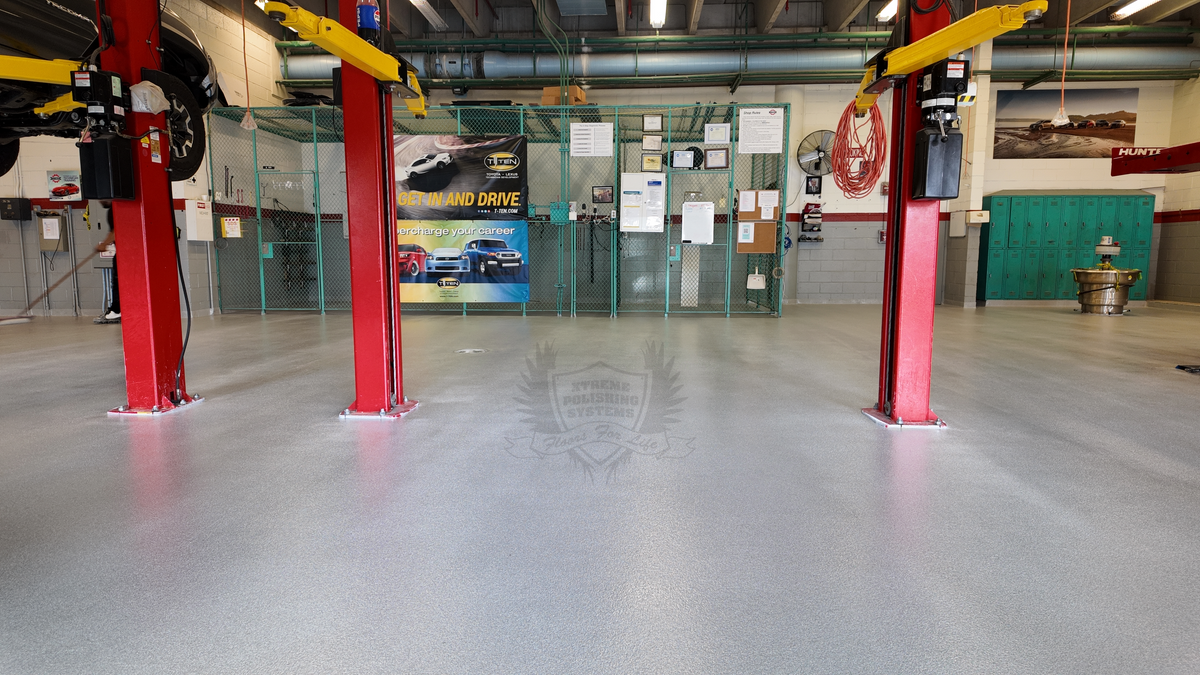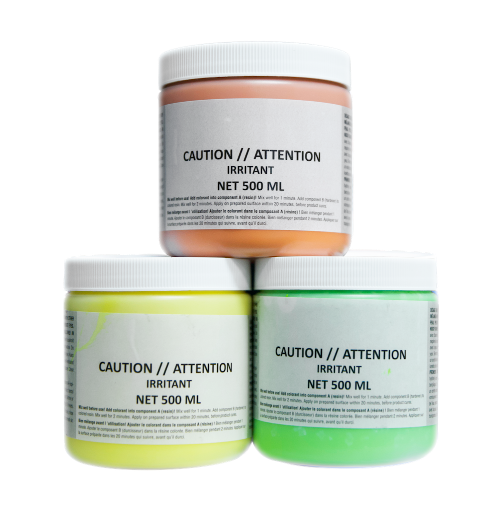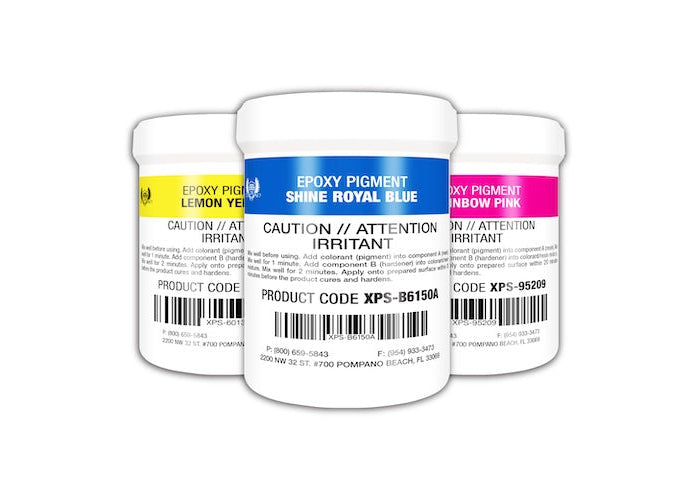

What separates a contractor who charges premium rates and backs their work with a 10-year warranty from one who underbids every job and disappears when the floor peels? The answer isn't just skill - it's a systematic, uncompromising approach to every single phase of the project. The best epoxy installers stand out through rigorous mechanical prep, industrial-grade chemistry, meticulous detail work, and strict environmental controls.
Our experience at Xtreme Polishing Systems (XPS) shows that long-term coating adhesion depends far more on initial substrate prep than on cosmetic topcoats. Here is a clear breakdown comparing certified epoxy installers vs. regular crews, and why choosing qualified professionals protects your investment for decades.
How to Ascend in the Epoxy Floor Installation Industry
1. Concrete Preparation & Moisture Testing for the Best Epoxy Installers
This crucial phase is where the gap between average crews and elite professionals is widest. Surface preparation accounts for over 80% of all resinous floor failures, and the best epoxy installers treat it with absolute precision. Ensure your substrate is mechanically profiled and thoroughly tested before any coating touches the slab.
-
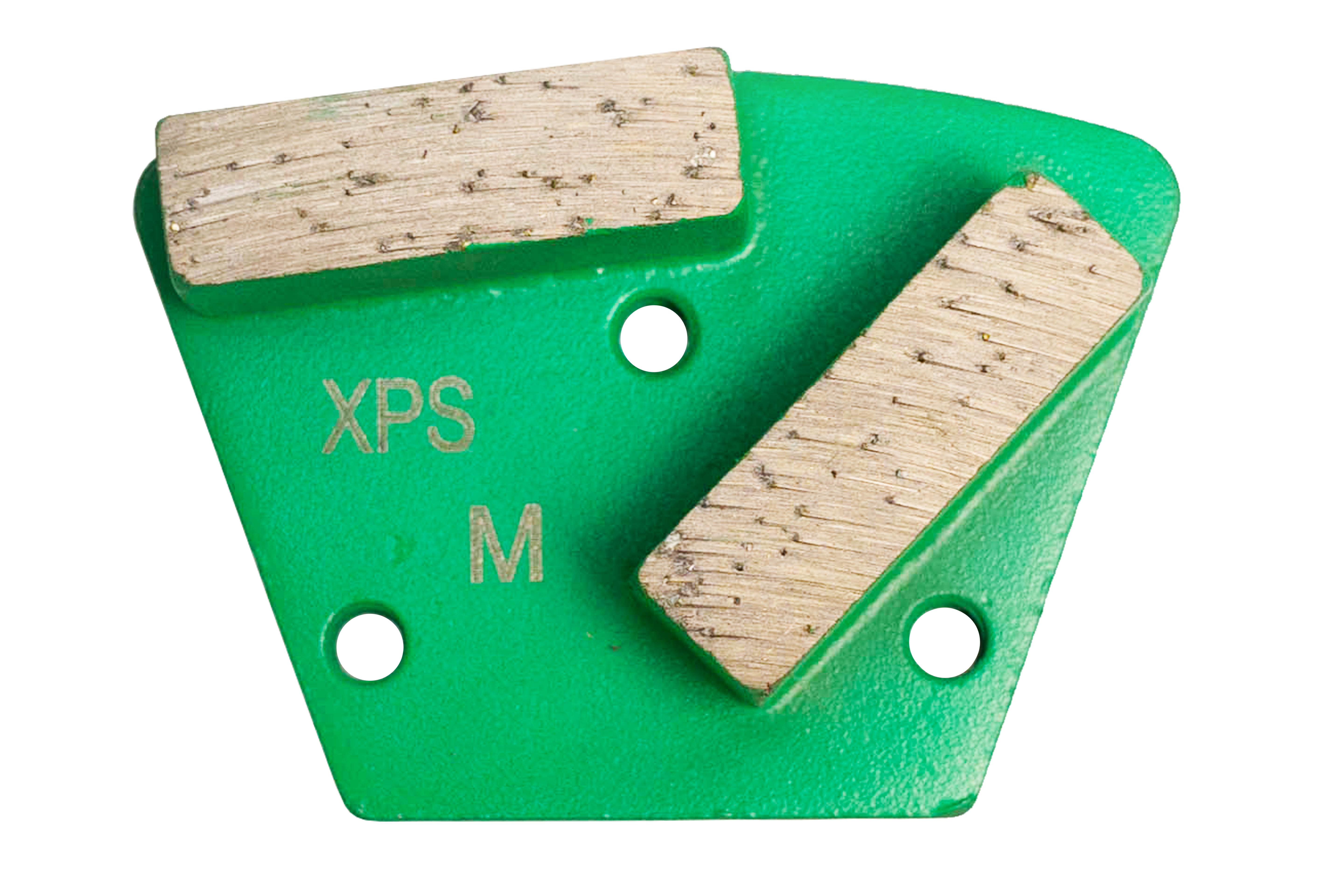
Mechanical Grinding vs. Acid Etching: Average installers frequently rely on acid etching or light sanding, which fails to create a permanent mechanical anchor. High-end contractors deploy heavy planetary diamond grinders connected directly to HEPA dust extractors to achieve an ICRI Concrete Surface Profile (CSP) of 2 to 3.
- While some guides mention acid etching, modern professionals now prefer diamond grinding because acid etching can be inconsistent and poses safety risks.
- To ensure professional results on every job, the Surface Prep Starter Package (Genie) includes the Concrete Genie grinder and Tromb 400L dust extractor, everything a professional needs for proper profiling.
- While some guides mention acid etching, modern professionals now prefer diamond grinding because acid etching can be inconsistent and poses safety risks.
-
Scientific Moisture Testing: Low-cost installers often skip moisture testing entirely or rely on superficial visual inspections that reveal nothing about internal slab dynamics. Our experience has shown that deep moisture vapor emissions destroy epoxy bonds from underneath.
- Elite contractors perform ASTM F2170 relative humidity probe testing inside the slab core. If moisture levels threaten bond integrity, they apply a dedicated Moisture Vapor Barrier (MVB) epoxy primer to block hydrostatic pressure.
Don't let unchecked dampness ruin a brand-new floor! A coating system that fails in 12 to 18 months because of poor prep or unmeasured moisture vapor won't just be a simple inconvenience. Moisture issues can amount to expensive disasters and a reputation killers.
2. Coating Chemistry & System Thickness: Certified Epoxy Installers vs. Regular
The chemical formulations and physical mileage specified for your floor determine how well it resists impact, thermal shock, and severe chemical exposure. This is a key technical differentiator between certified epoxy installers and regular crews.
-
Industrial-Grade Resins: Top-tier contractors utilize 100% solids epoxy base coats paired with high-performance polyaspartic or polyurethane topcoats for maximum UV stability, high impact strength, and hot-tire pick-up resistance. In contrast, regular installers routinely cut costs by applying water-based or low-solids formulations that yellow, thin out, and delaminate under everyday vehicle traffic.
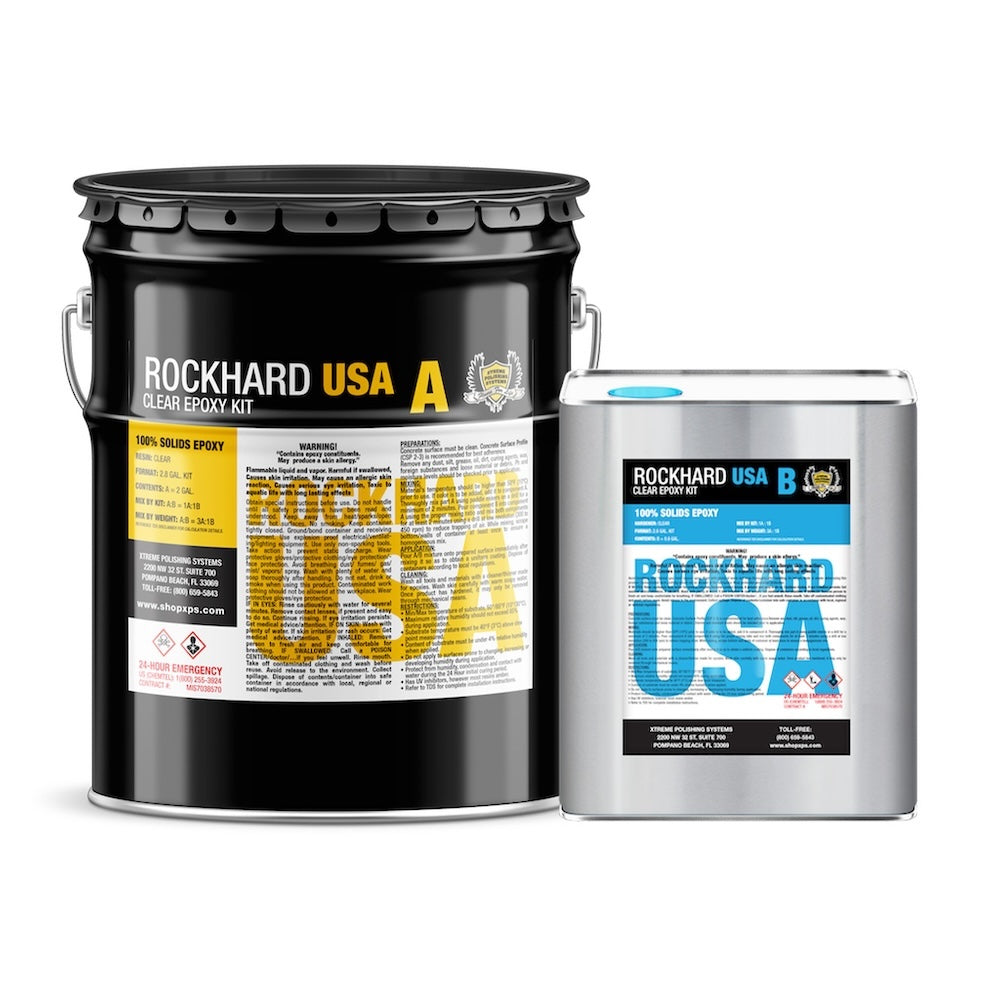
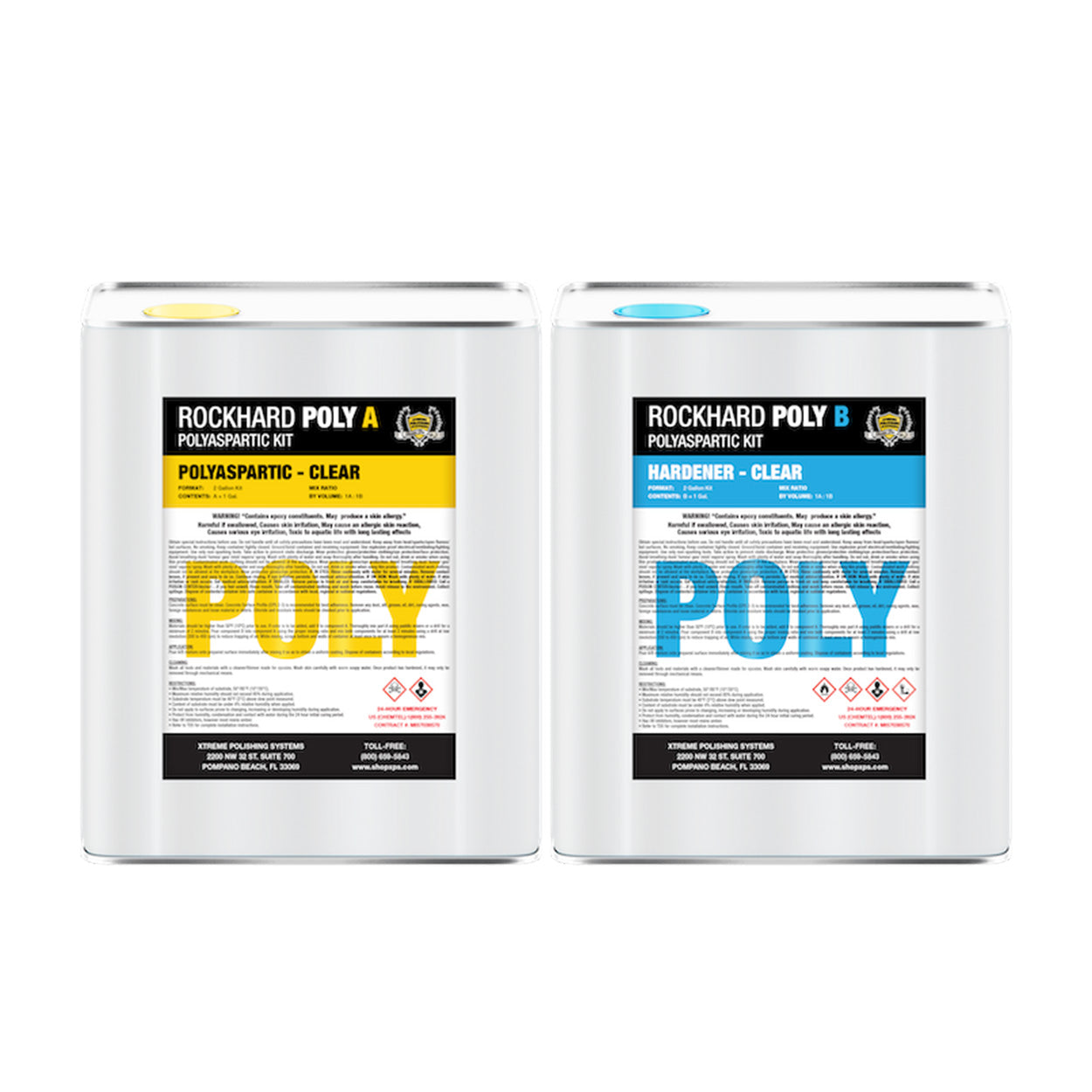
- The Rockhard USA Epoxy Kit is a high-performance 100% solids resin system engineered to deliver exceptional clarity and long-lasting durability. Use it as a pigmented base coat for flake or metallic systems. It's VOC-compliant, non-toxic, and creates a dense surface that resists bacteria and moisture.
- The Rockhard USA Epoxy Kit is a high-performance 100% solids resin system engineered to deliver exceptional clarity and long-lasting durability. Use it as a pigmented base coat for flake or metallic systems. It's VOC-compliant, non-toxic, and creates a dense surface that resists bacteria and moisture.
-
Full-Broadcast Layering: High-end installers broadcast decorative vinyl flakes or quartz aggregates to total saturation ("full refusal") over a heavy base coat, creating a multi-layered shield up to 30 to 40 mils thick. Average crews only sprinkle decorative flakes, leaving thin, unprotected patches that wear through quickly.
-
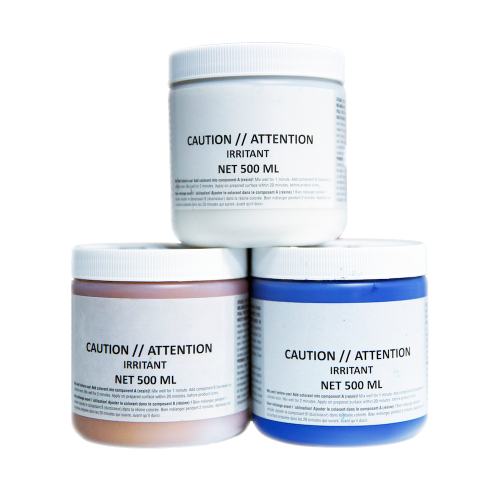
The Epoxy Flakes - Signature Collection offers hundreds of custom color blends and particle sizes for full broadcast decorative systems.
-
The Epoxy Flakes - Signature Collection offers hundreds of custom color blends and particle sizes for full broadcast decorative systems.
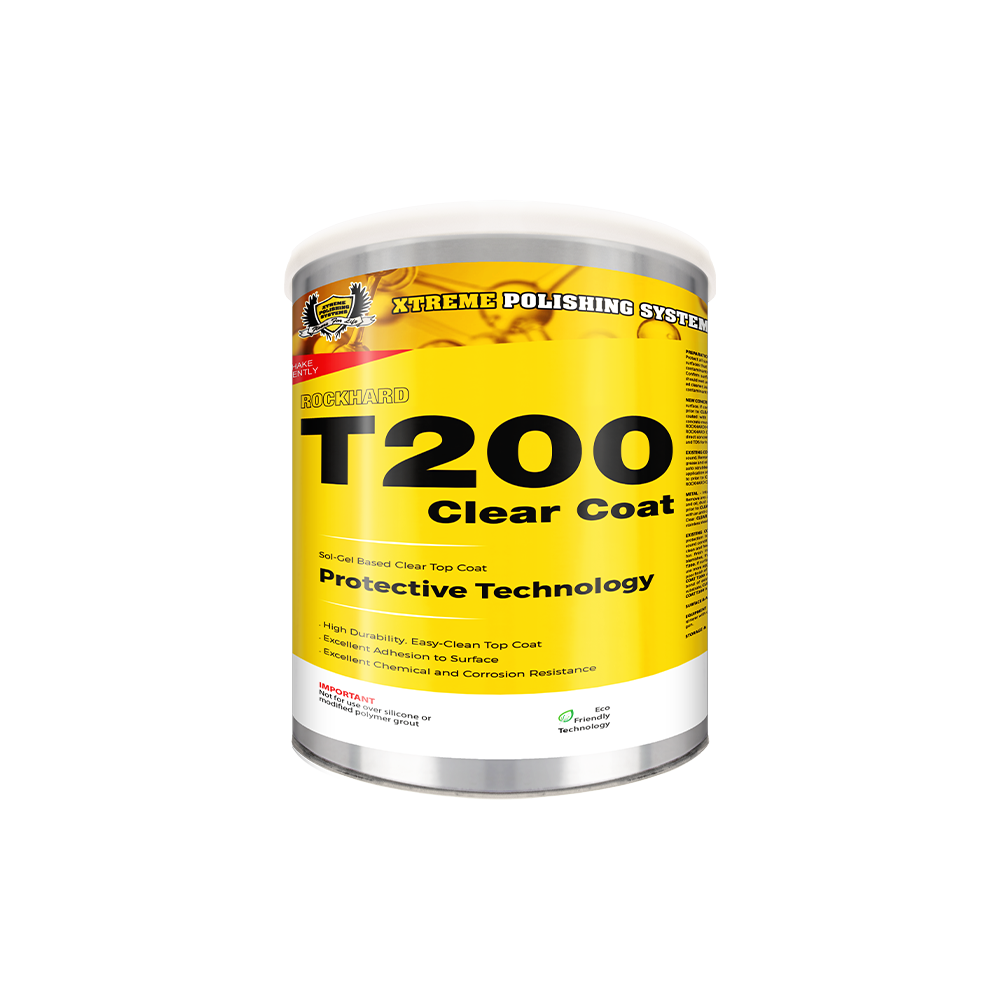
- High-Performance Protective Topcoats: For the final protective layer, certified contractors apply specialized protective coats such as XPS POLYUREA, a 100% solids polyurethane system offering outstanding adhesion and flexible cure speeds.
Thin, water-based DIY kits and low-solids commercial coatings fail under hot tires and continuous heavy loads. You'll want to demand industrial-grade chemistry every time! The best epoxy installers use premium 100% solids materials because cross-linking density directly determines long-term wear life and prevents premature failure.

3. Precision Detail Work & Substrate Repair
The key difference between a routine installation and a world-class floor is how teams handle the perimeter, joints, and structural repair.
-
Crack & Joint Mitigation: High-end teams use specialized diamond blades to route out all surface cracks, fill them with semi-rigid polyurea spall repair compounds, and properly treat expansion joints to prevent future reflection cracking. Regular installers simply paint over existing cracks, guaranteeing that substrate movement will tear the new coating apart.
- Perimeter Hand-Grinding & Coving: Elite installers hand-grind every perimeter wall edge, precision-mask borders, and offer seamless vertical cove bases to form a liquid-tight floor-to-wall seal. For tight edge profiles, contractors rely on the Teenie Weenie Genie Edge Grinder, which grinds within 1/8 inch of vertical walls.
Unrepaired cracks will inevitably telegraph through fresh epoxy within months, leading to unsightly fractures and moisture intrusion. Likewise, unground wall perimeters will peel under wheel traffic. Professional installers refuse to cut corners on detail work because meticulous preparation guarantees flawless aesthetics and structural integrity.
4. Environmental Control & Warranty Backing
Elite resinous flooring contractors understand that polymer curing is a precise chemical reaction dictated by ambient atmospheric conditions and substrate temperatures.
-
Slab & Atmospheric Monitoring: You'll want to verify that your contractor actively monitors climate metrics before mixing materials. Professional crews record slab surface temperature, relative humidity, and dew point. If slab temperatures fall within 5°F of the dew point, chemical cross-linking can fail; certified installers will halt work until conditions normalize.
-
Comprehensive Warranties: Many coating suppliers offer standard 1–3-year warranties, while select qualifying products may have warranties of up to 10 years. Warranty coverage and exclusions vary by product and terms. Proper surface preparation and installation are essential to achieving long-lasting floor performance and durability.
- Don't gamble on weak guarantees or contractors who disappear when problems arise! A warranty is only as trustworthy as the engineering and preparation behind it. Hiring the best epoxy installers means investing in confidence and long-term performance.
The clear polyaspartic/polyurea topcoat locks in decorative aggregates, resists UV, and creates an easy-to-clean, chemical-resistant wear layer.
Frequently Asked Questions
1. What's the main difference between certified epoxy installers vs. regular crews?
Certified installers follow a standardized technical protocol: heavy mechanical diamond grinding to CSP 2 - 3, scientific ASTM moisture testing, industrial 100% solids resins, full-broadcast layering, and long-term warranty coverage. Regular crews often rely on acid etching, thin water-based paint, and skip moisture testing to reduce labor costs.
2. How can I tell if an installer is one of the best epoxy installers in my area?
Ask directly about their surface-preparation equipment and testing procedures. If an installer proposes acid etching or light sanding instead of diamond grinding, look elsewhere. Request written moisture test documentation and review their warranty terms for exclusions. Top-tier contractors are completely transparent about their technical process.
3. Why do some epoxy floors peel while others last over 20 years?
The core difference is substrate preparation and moisture management. Proper mechanical profiling creates a permanent mechanical anchor, while ASTM moisture testing and MVB primer application eliminate hydrostatic vapor pressure - the two leading causes of coating failure.
4. Is professional training necessary to become a top-tier installer?
Yes, hands-on master training is essential for mastering complex chemistry and surface mechanics. Epoxy Classes offers a comprehensive 5-day, hands-on epoxy certification course covering moisture testing, planetary grinding, joint repair, flake and metallic systems, and business management.
5. What warranty should I expect from a high-end epoxy installer?
Premium contractors typically provide 10-year to lifetime non-prorated warranties because their mechanical prep and material choices eliminate adhesion failures. A short 1- to 3-year warranty with exclusions for hot-tire pickup or moisture is a clear warning sign of inadequate preparation.
Conclusion
The gap between average and elite comes down to discipline, proper equipment, and superior chemical engineering. The best epoxy installers never cut corners on surface prep, moisture testing, high-solids materials, or detail work - and their warranties reflect that commitment.
Our blog is dedicated to giving flooring contractors the information they need to succeed. At Xtreme Polishing Systems, we offer the best resources at affordable rates, so you never have to compromise on quality!