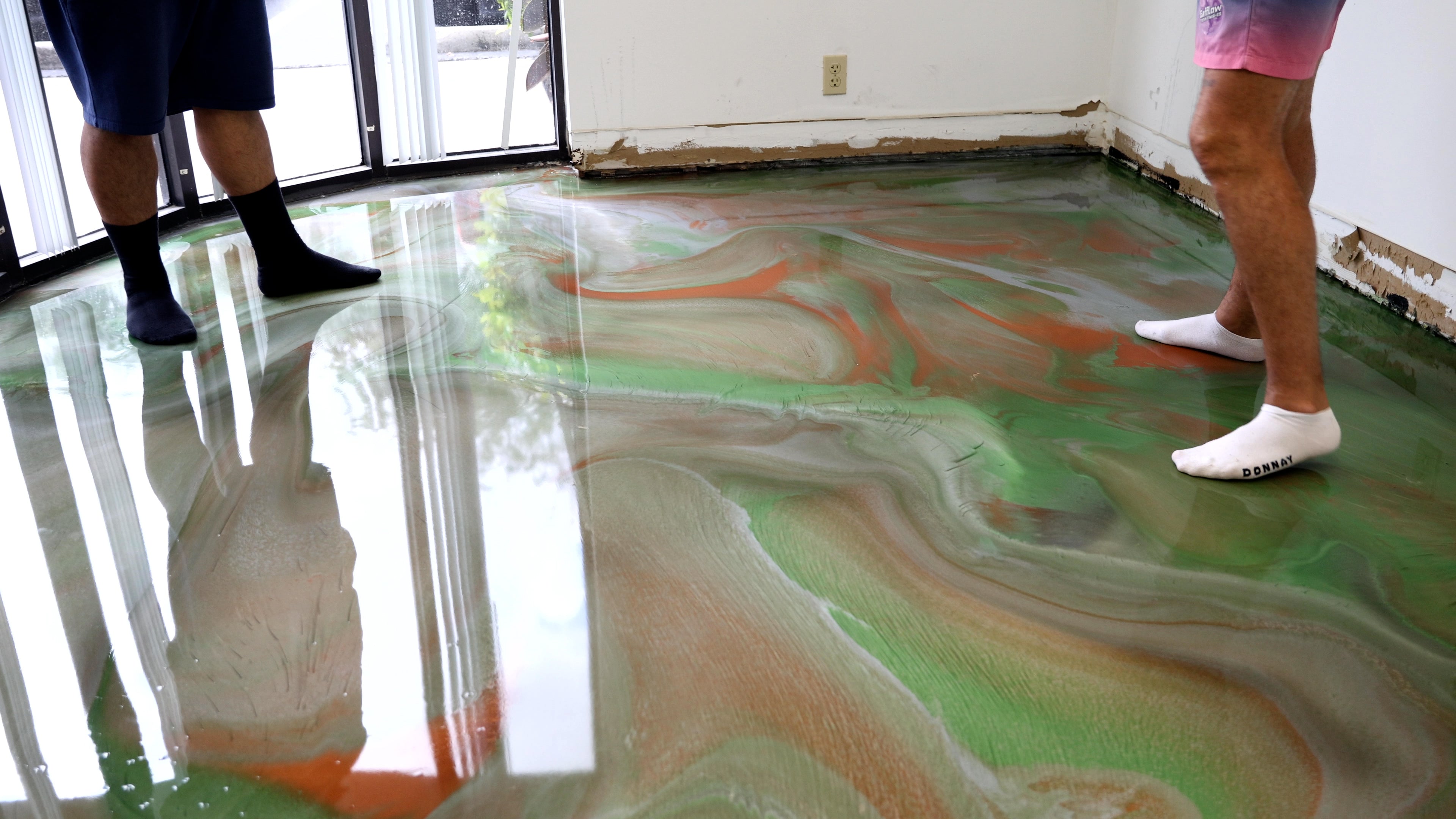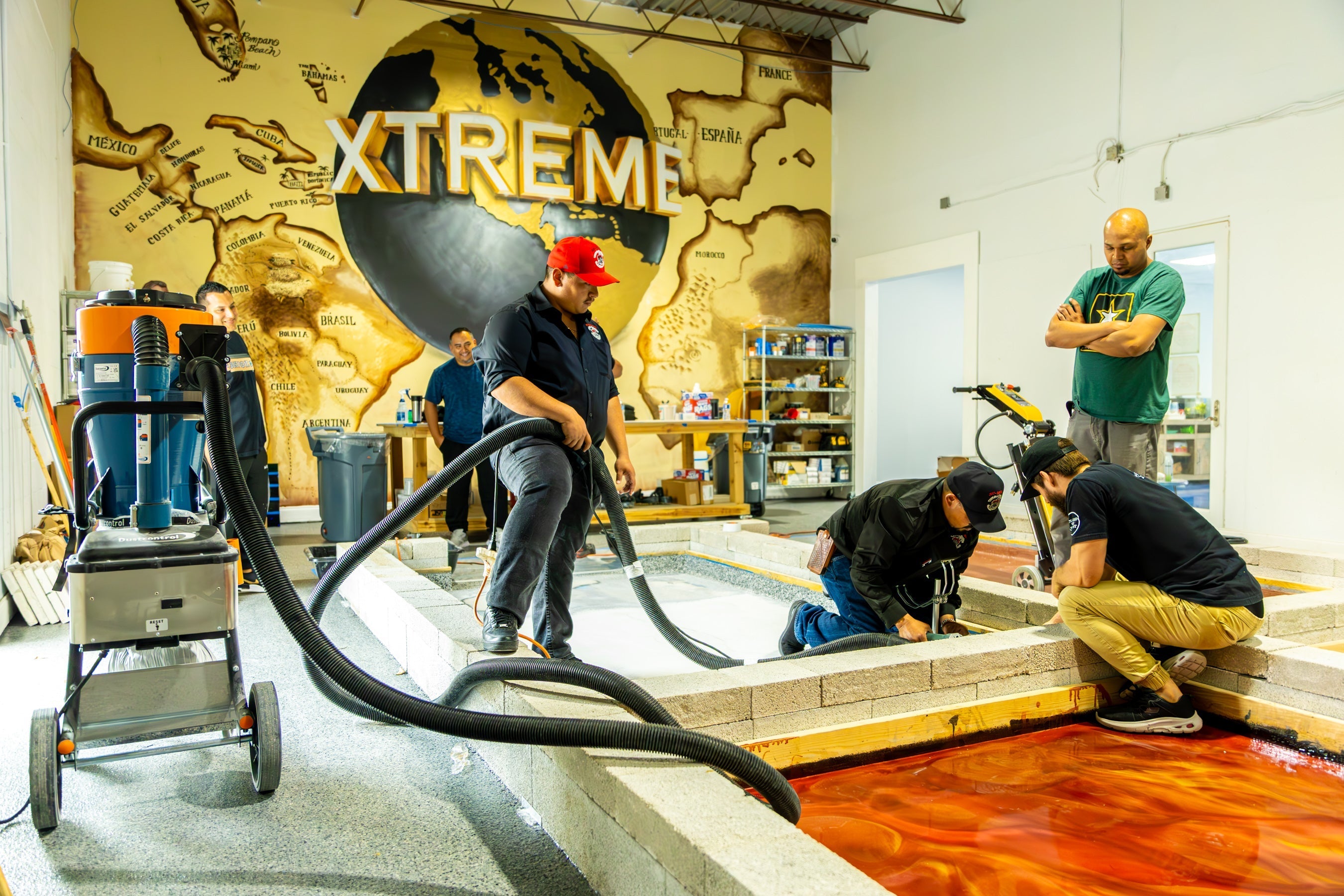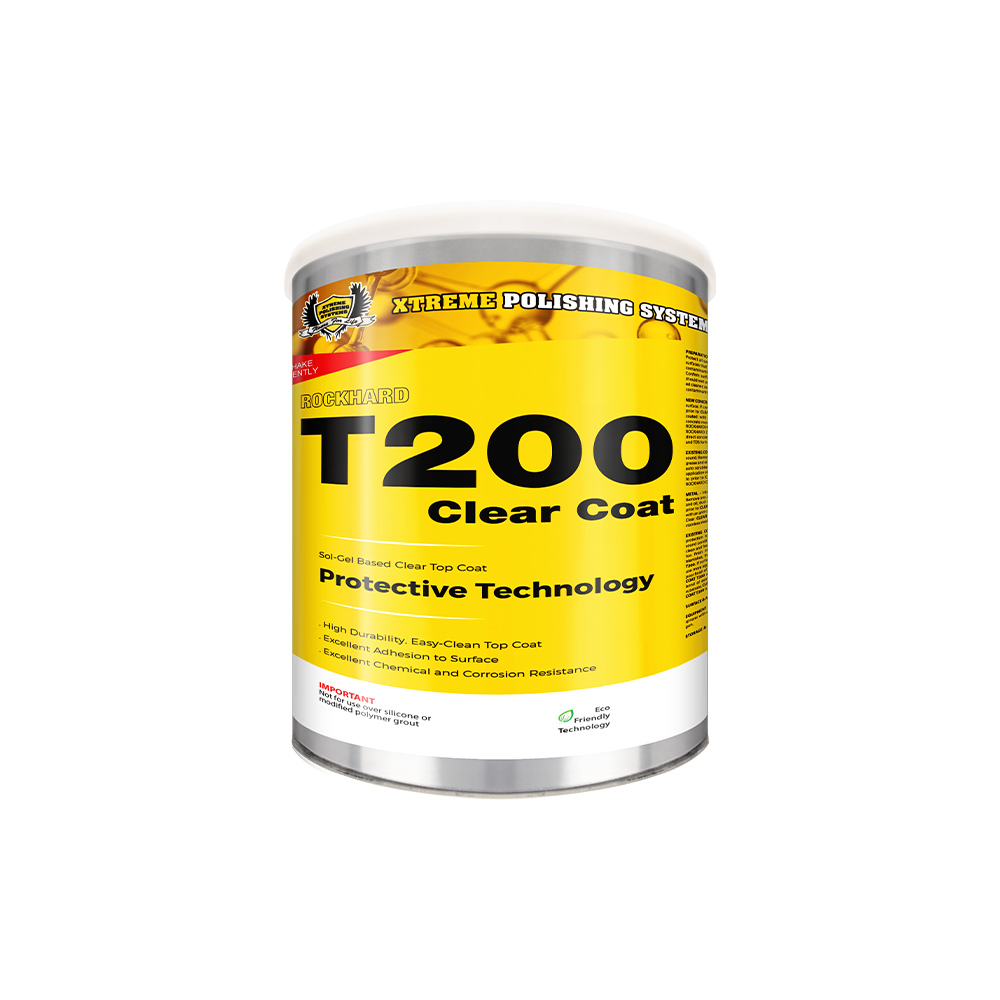

Epoxy flooring is one of the most durable and visually appealing solutions for commercial, industrial, and even residential spaces. A properly installed epoxy floor can last for decades, offering a seamless, chemical-resistant surface with a polished finish.
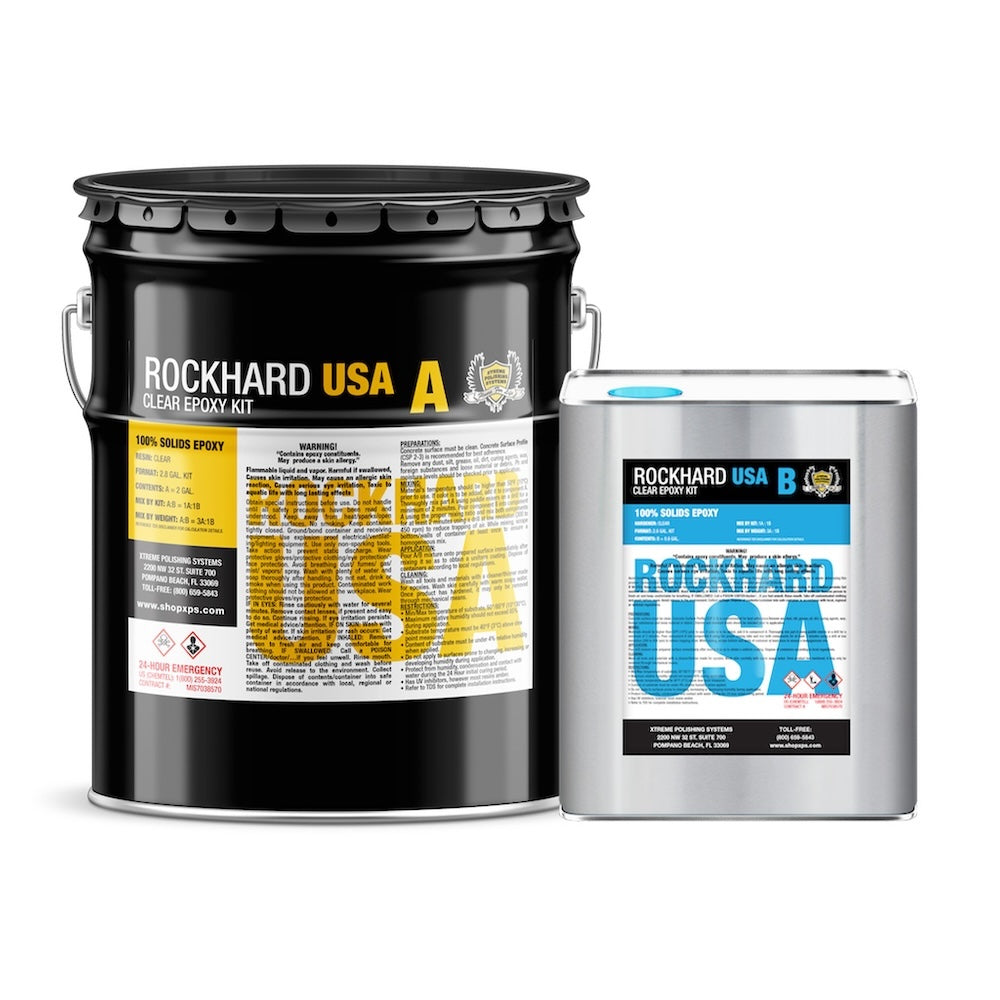
But while the results look effortless, the process is far from simple. Epoxy is a two-part system—resin and hardener—that requires careful preparation, precise mixing, and application under the right conditions. Even experienced flooring professionals can make mistakes, and for beginners, those mistakes are even more common. That’s why epoxy installer training is essential.

Without the proper knowledge, projects can fail prematurely, leading to peeling, blistering, or discoloration. Let’s explore the top 5 epoxy floor mistakes new installers make and how professional training helps prevent them.
1. Poor Surface Preparation
The mistake: The leading cause of epoxy coating failure is inadequate surface preparation. Many beginners assume sweeping or mopping is enough. In reality, epoxy requires a porous, clean surface to bond correctly. Dirt, grease, oil, or a smooth slab will prevent adhesion, leading to peeling and premature failure.
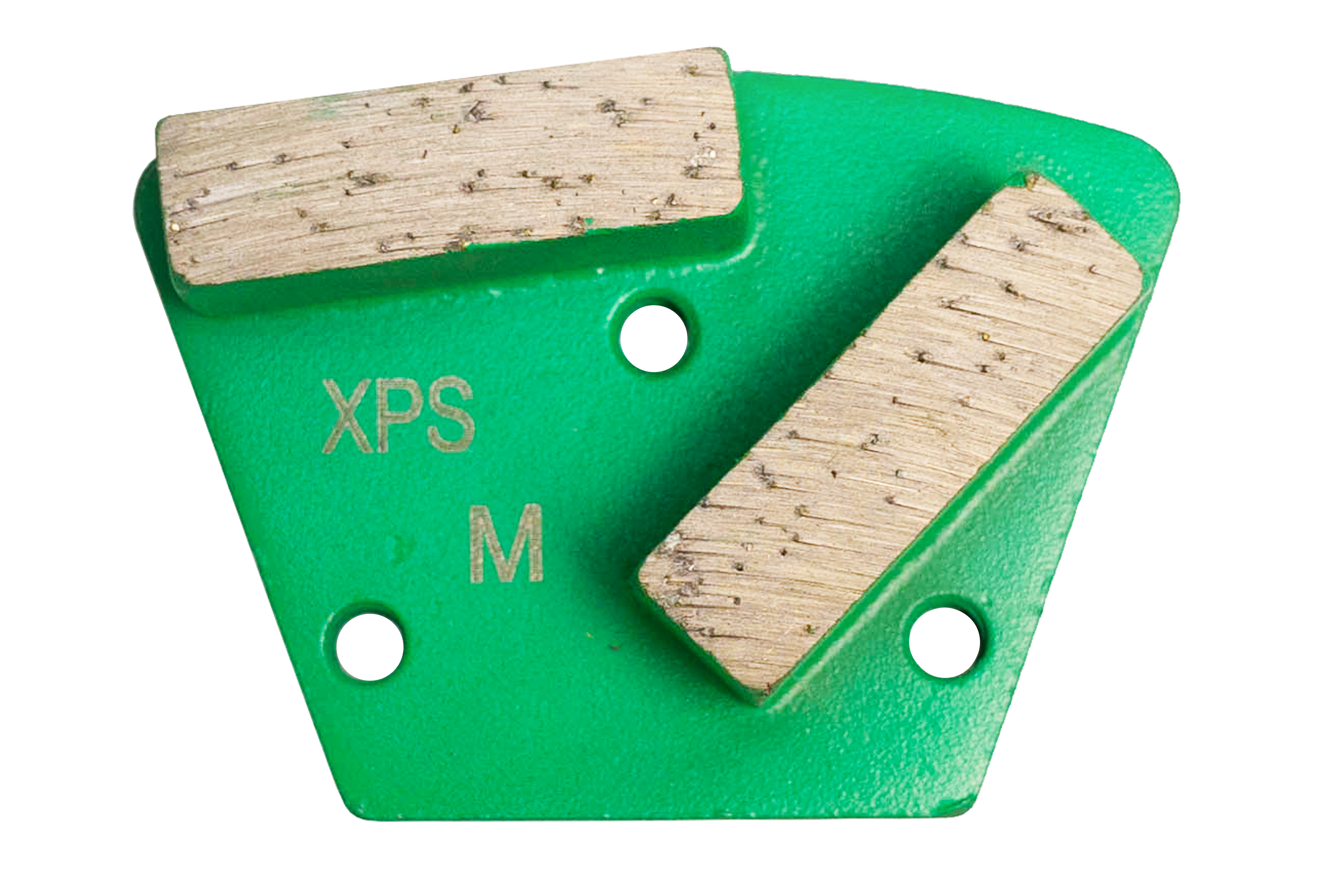
How training prevents it: In training programs, installers learn advanced surface preparation techniques such as diamond grinding, shot blasting, and acid etching. They’re taught how to repair cracks, apply primers, and properly degrease the concrete. With hands-on practice, they understand that a properly profiled, clean, and dry slab is non-negotiable for long-lasting epoxy floors.
2. Incorrect Mixing Ratios
The mistake: Epoxy is a chemical reaction between resin and hardener. Using the wrong ratio—or failing to mix thoroughly—leads to soft, sticky, or uneven coatings. New installers often eyeball measurements or under-mix, creating weak spots that never cure.

How training prevents it: Training emphasizes accuracy. Installers are taught to stage materials properly, measure components according to manufacturer specifications, and use electric mixers. They also practice “double-bucketting” which is transferring the mixture into a second bucket to ensure all solids are incorporated. With this discipline, they learn how to install epoxy the right way, every time.
3. Ignoring Moisture Content
The mistake: Concrete slabs naturally hold moisture, and if installers skip moisture testing, they risk trapping vapor beneath the epoxy. This leads to bubbling, blisters, or total delamination.
How training prevents it: Certification courses teach installers how to test moisture content using calcium chloride kits or electronic meters. They learn when to apply moisture barriers and when to delay application until conditions are right. By recognizing risk factors, trained installers prevent the most frustrating—and expensive—epoxy flooring problems.
4. Applying Epoxy Under the Wrong Conditions
The mistake: Temperature and humidity dramatically impact epoxy curing. Too cold, and the epoxy may never cure. Too hot, and it hardens too quickly, causing roller marks, bubbles, and uneven coatings. High humidity can interfere with adhesion and create clouding.
How training prevents it: Training programs teach installers how to monitor environmental conditions with thermometers and hygrometers. They learn the ideal ranges for application and curing, how to adjust work schedules for changing weather, and how to calculate pot life based on conditions. Instead of hoping for the best, trained installers know exactly when and how to proceed.
5. Rushing the Installation Process
The mistake: Epoxy installation requires both patience and timing. New installers often rush to “get it done,” leading to uneven coats, missed steps, or improper curing. On the other hand, working too slowly means the epoxy can exceed its pot life, leaving thick, discolored, or unusable product.
How training prevents it: Training emphasizes a structured, step-by-step workflow. Installers practice balancing speed with precision, laying material quickly enough to work within pot life, but methodically enough to ensure a flawless finish. They also learn time-management strategies that keep projects on track without cutting corners.
Why Epoxy Training Is Essential
Epoxy isn’t forgiving. Once mixed, the clock is ticking. Once applied, mistakes are difficult—and often impossible—to fix without complete removal and replacement. That’s why training is invaluable.

A professional epoxy installer training program equips contractors with:
- Knowledge of chemistry and curing so they understand how epoxy reacts under different conditions.
- Hands-on experience with grinding, moisture testing, mixing, and application.
- Problem-solving skills to recognize and address issues before they cause failures.
- Confidence to install epoxy correctly, avoiding callbacks and costly re-dos.
For business owners, this means peace of mind: your epoxy floor won’t just look good on day one—it will perform for years to come.
Common Signs of Poor Epoxy Installation
Even with training, epoxy floors can still face challenges over time. Some common red flags include:
Peeling: Often caused by poor surface prep or moisture trapped beneath the coating.
Blistering: Caused by improper mixing, overly porous concrete, or rushed application.
Discoloration: Usually the result of exceeding pot life, using the wrong hardener, or exposing epoxy to UV or chemicals.

These issues not only create an unprofessional appearance but can also compromise the concrete underneath. The good news? With proper installer training, most of these problems are completely preventable.
Final Thoughts
Epoxy floors can be sleek, durable, and highly protective but only when installed correctly. The top 5 epoxy floor mistakes made by beginners are poor prep, bad mixing, ignoring moisture, applying under wrong conditions, and rushing the process which are avoidable with the right knowledge.
That’s why epoxy installer training is critical. It equips professionals with the skills and confidence to deliver flawless, long-lasting results. Whether you’re an aspiring installer or a business owner investing in epoxy floors, remember: training isn’t optional! It’s the foundation of success.